Boosted AE86 Monster… Introduction
Those who know me would know that I’m always in search for new and interesting content to post for the site whether it be Honda related or not. I try my best to bring you guys some of the best projects that would paint an accurate picture of the automotive scene here in Barbados. It really is quite amazing to see the quality builds being produced here. Not only with off the shelf parts and their application, but when it comes to fabrication and the necessary know-how needed to meet selective specifications, to aid with the installation of a part or throughout an entire build.
Which brings me to Corey Standford’s Boosted AE86 Build. Most of the work done throughout this build depended heavily on fabrication. Quite frankly, that was not the initial vision of this build but like most builds, things can get out of hand at a rapid rate. Initially the goal behind this build, was to be a fun weekend car with moderate power, mostly to be street driven for some fun from time to time. Somewhere along this path things kept changing, minor upgrade here and there.
It wasn’t until Barbados Association of Dragsters and Drifters B.A.D.D was formed that Corey’s focus shifted and went towards drag racing and along with it, the car’s modifications. During this phase was where a significant amount of weight was shed and a cage was bolted in place to increase safety and rigidity. Corey also added some flares in order to fit wider wheels hassle free, along with a few other aero pieces.
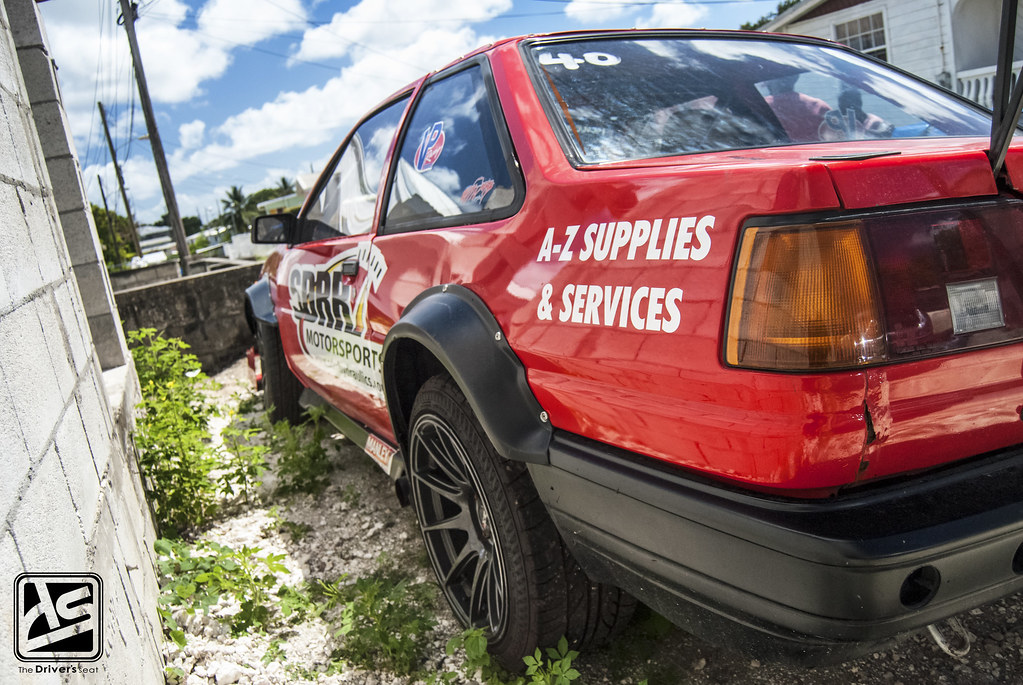
To date Corey’s fastest 1/8 mile time is 7.5 secs. In the 1/4 mile, he ran 12.3 secs with gearbox issues. In being quite successful in the drags it landed him a few sponsors, A.C.S Maintenance, Dennis Heath Tuning, A-Z Supplies and Services and S.D.R.R as the main sponsor.
With that info out of the way, let’s move forward with some photos…
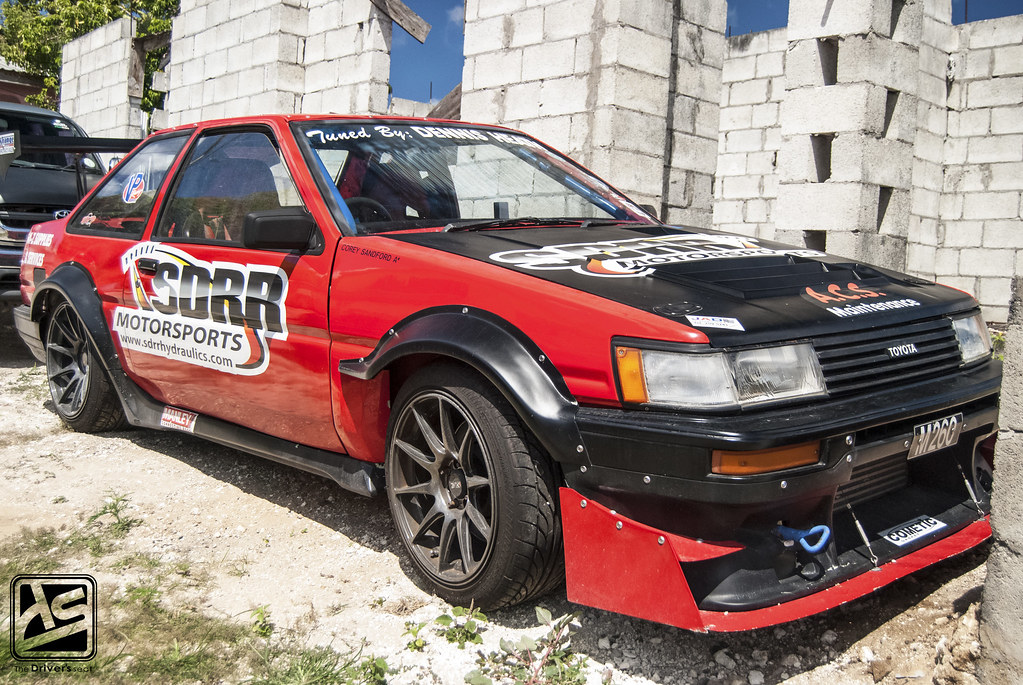
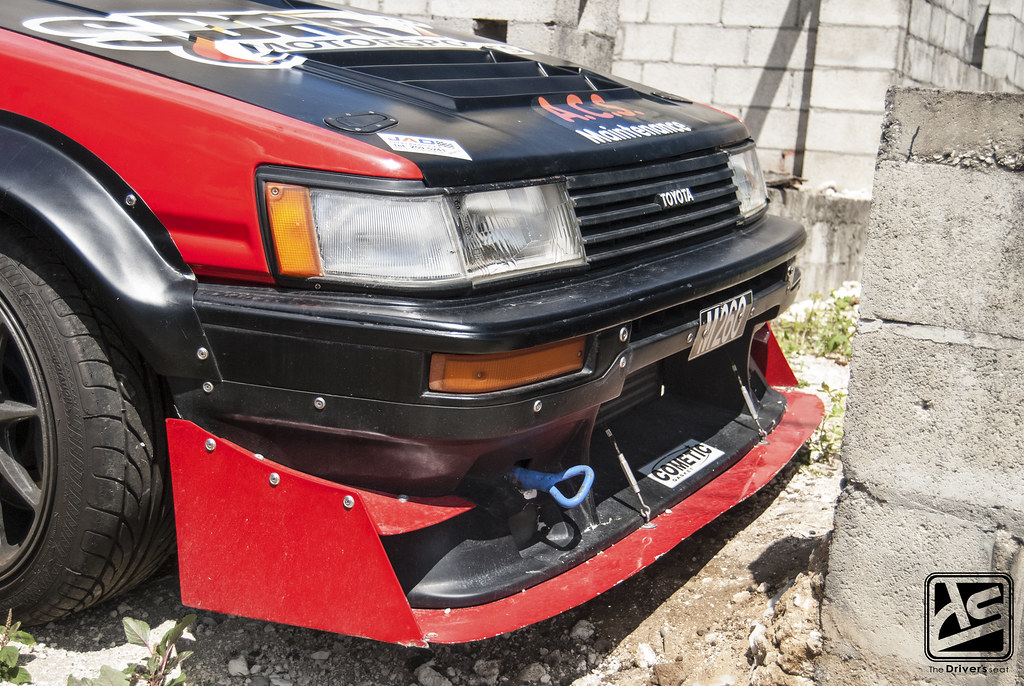
All of the fiberglass and body moldings have been designed and built by a joint effort between Stanford Industries and Danny…
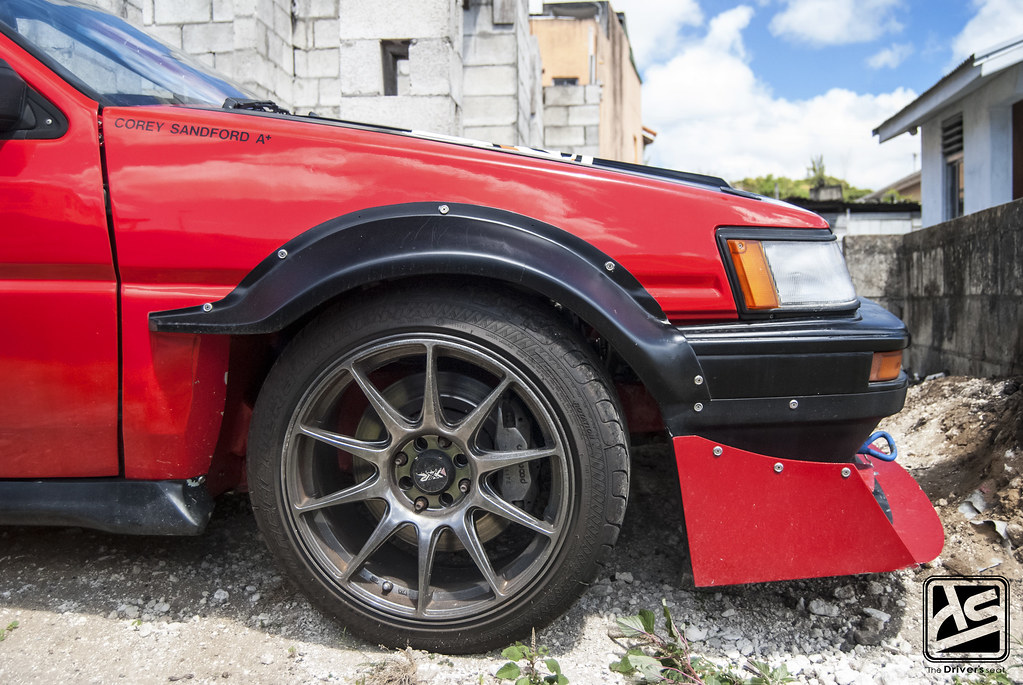
Behind the 17×9″ XXR wheels at the front you find a Wilwood big brake kit featuring a 13″ rotor and 4 pot caliper.
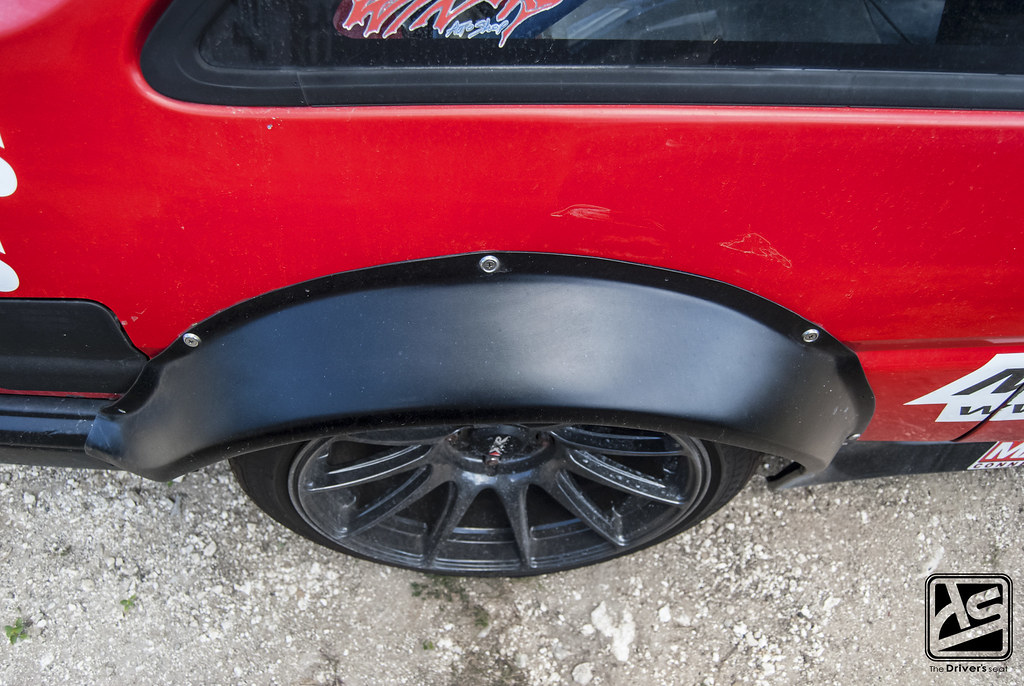
At the rear stopping power is reduced to a 11″ rotor and 4 pot caliper. To ensure a sizable contact patch is made with the tarmac when making its way around the circuit, 17×10″ XXR wheels are mounted at the rear. But it doesn’t stop there, when it is time to face the clock, the car can be seen wearing a pair of 15×10″ wheels with a 24″ tire.

The rear has seen quite a few variants of wings and various mounting positions to go with them, the current setup is a custom made piece by Stanford Industries.
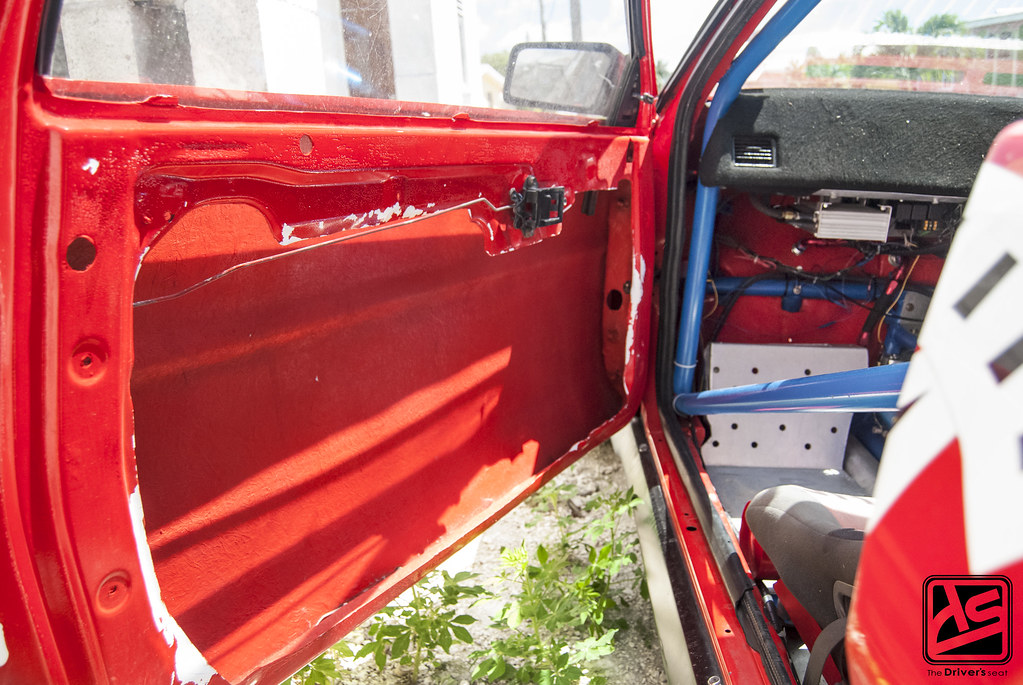
Both doors have been molded and redone out of fiberglass to shed as much weight as possible.
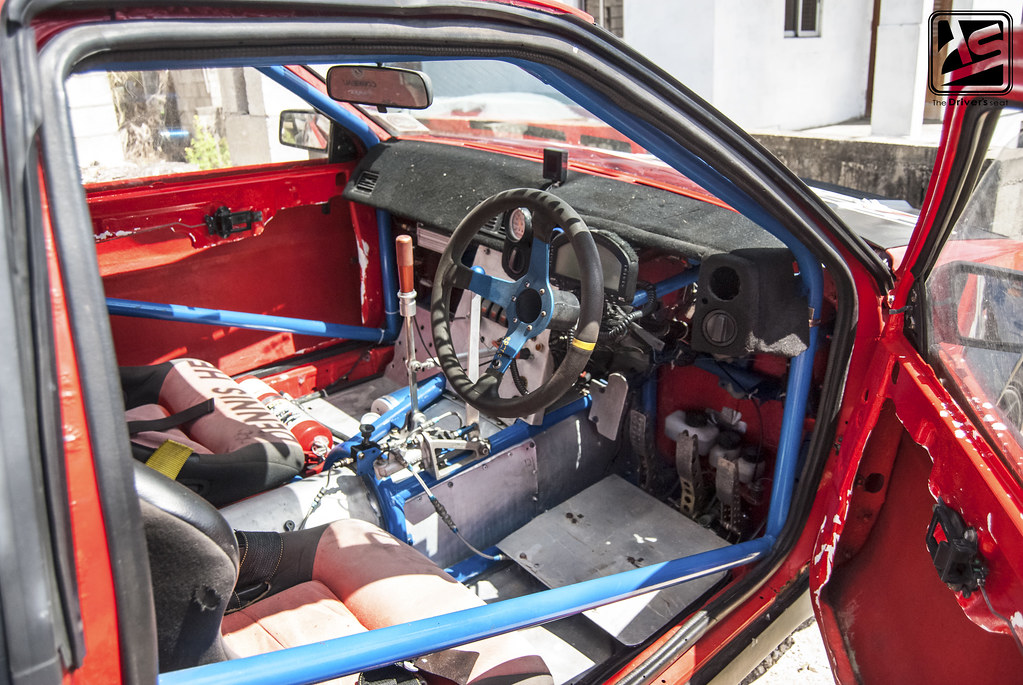
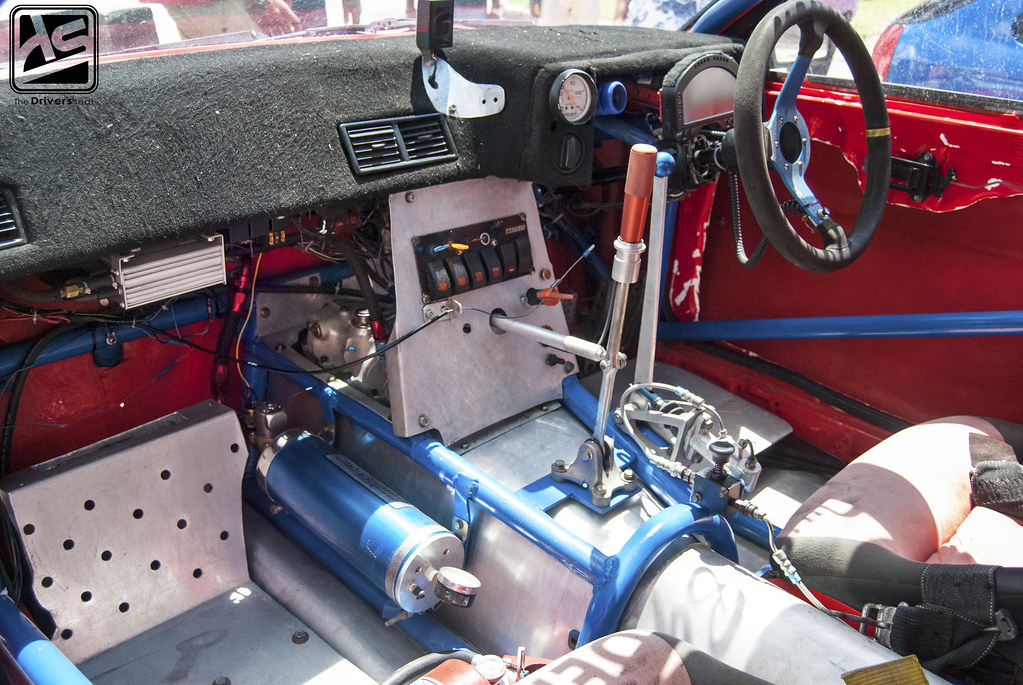
A glimpse at the office, all business once you step in this machine…
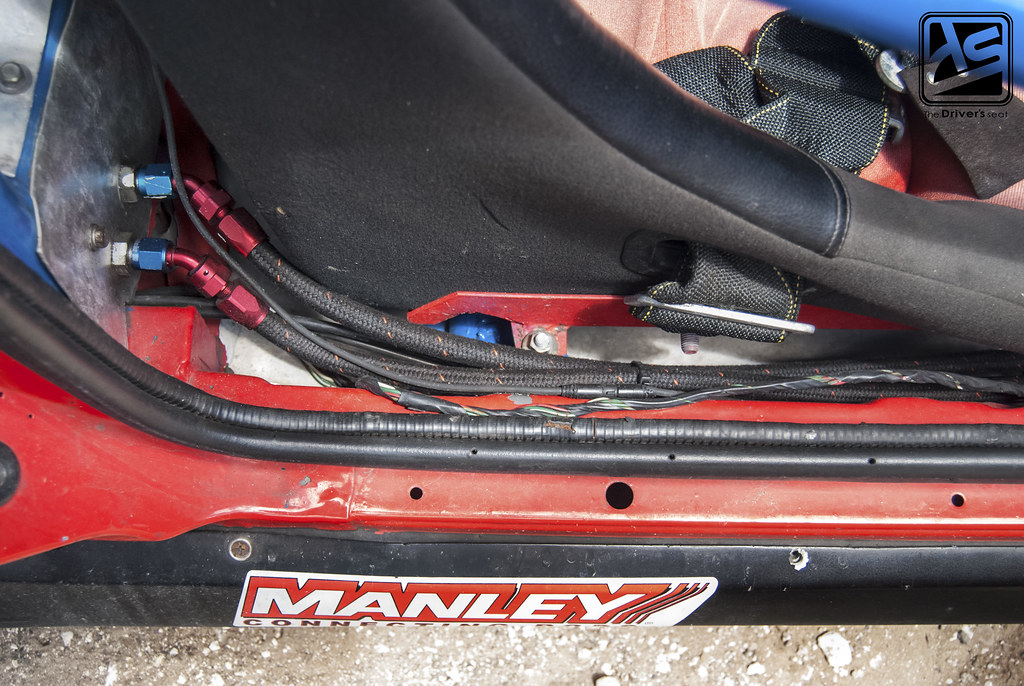
Fuel lies heading towards to back of the car to a fuel cell…
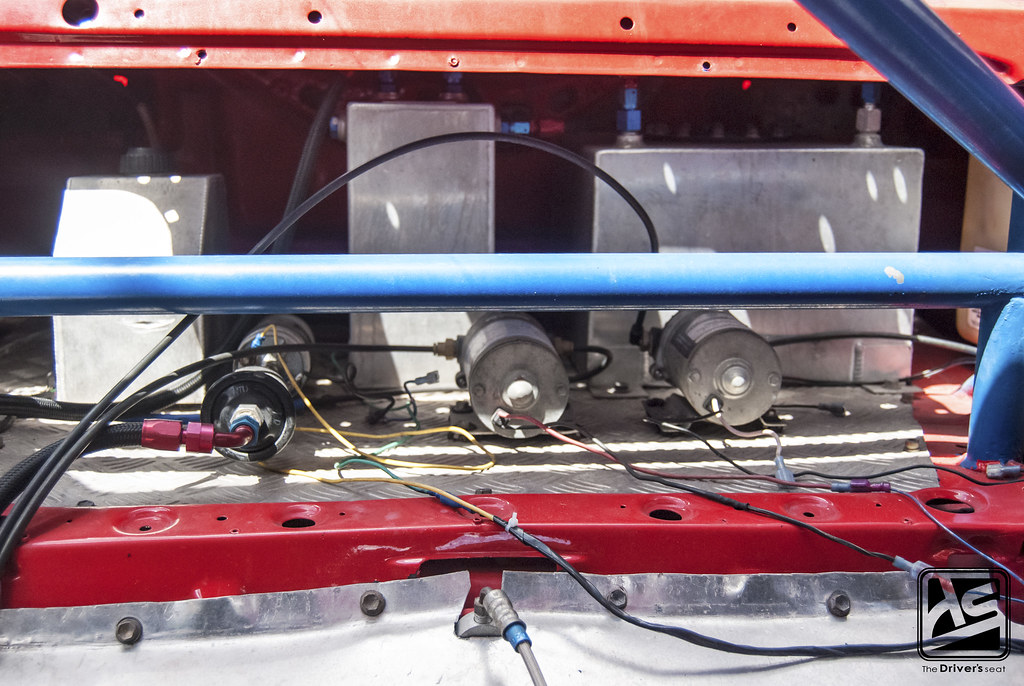
Fitted in the trunk you will find the fuel setup comprising of a fuel cell, pump and surge pot. Also fitted in the trunk is the water/meth injection kit and the water spray system for the intercooler.
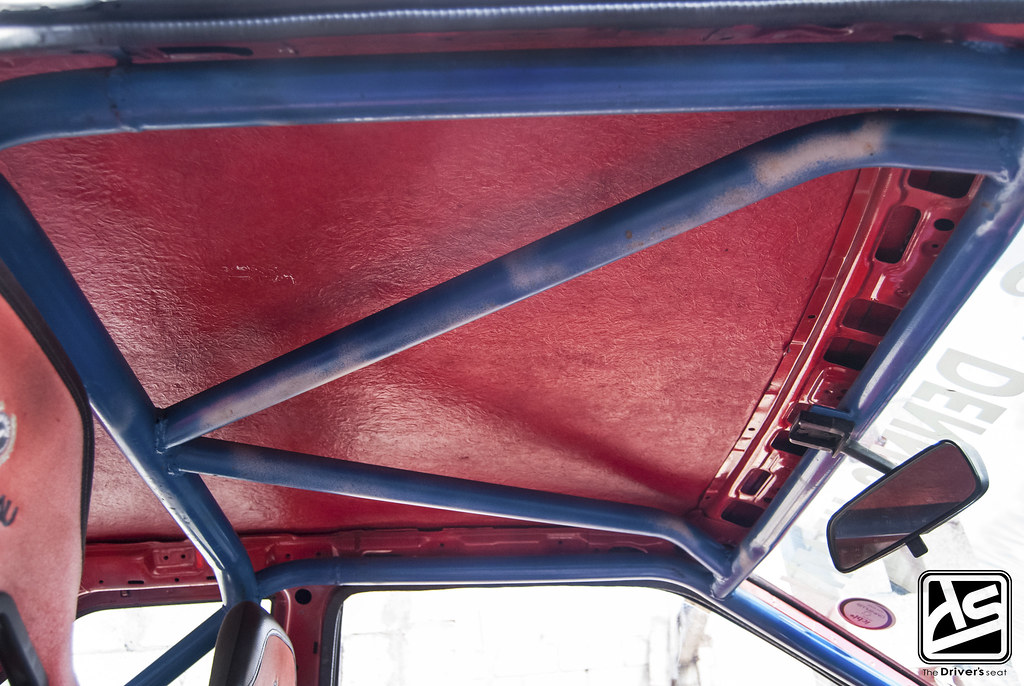
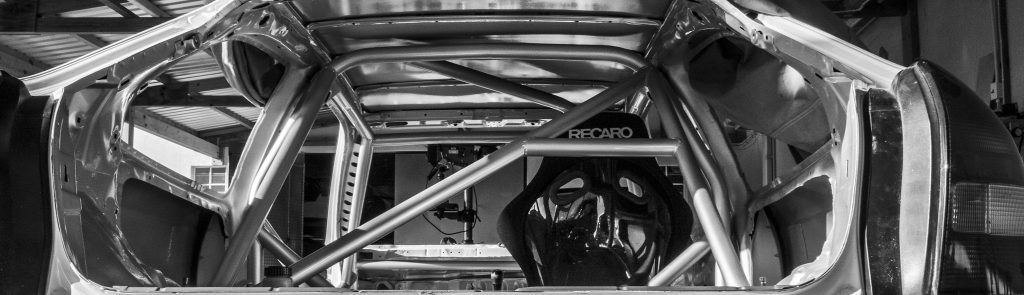
Several key points throughout the body have been cut and directly tied into the roll cage through a series of bars to add additional rigidity to the chassis. If you pay close attention you will notice the fibreglass roof skin. This was originally a sunroof model AE86 but after Corey stated to get serious about drags, it had to go.
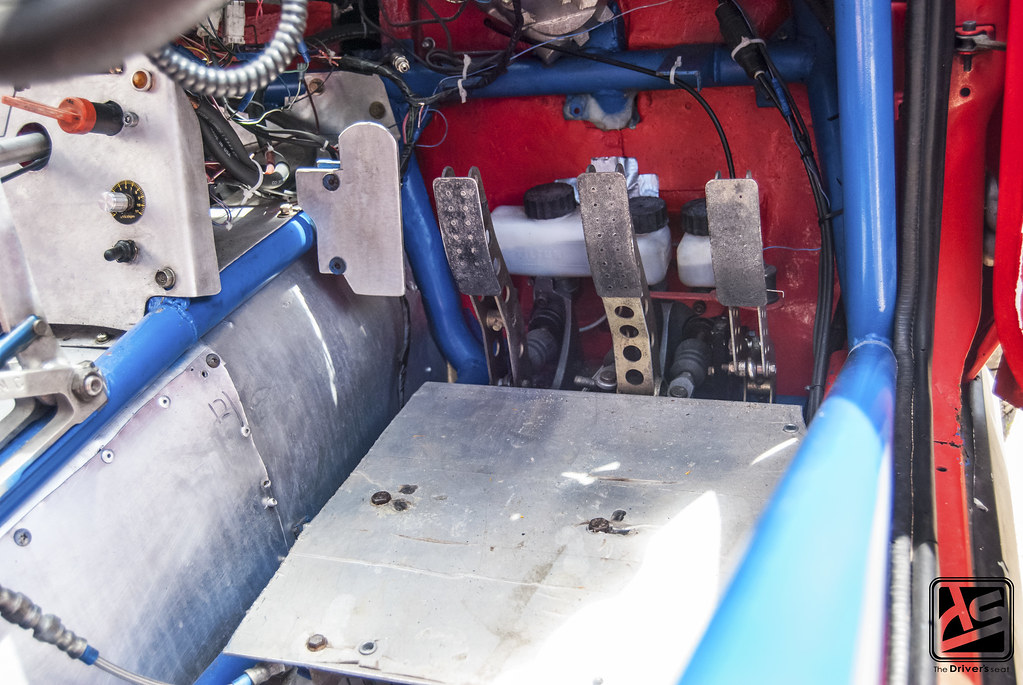
Floor mounted Tilton pedal box setup with custom made floor plate and foot rest all done by Stanford Industries…
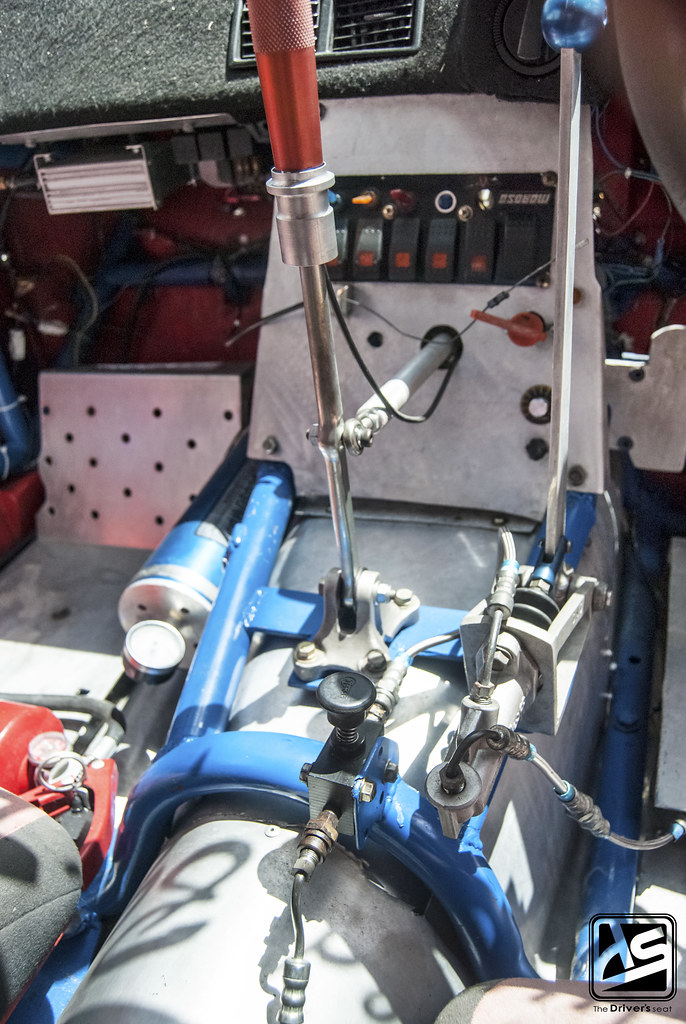
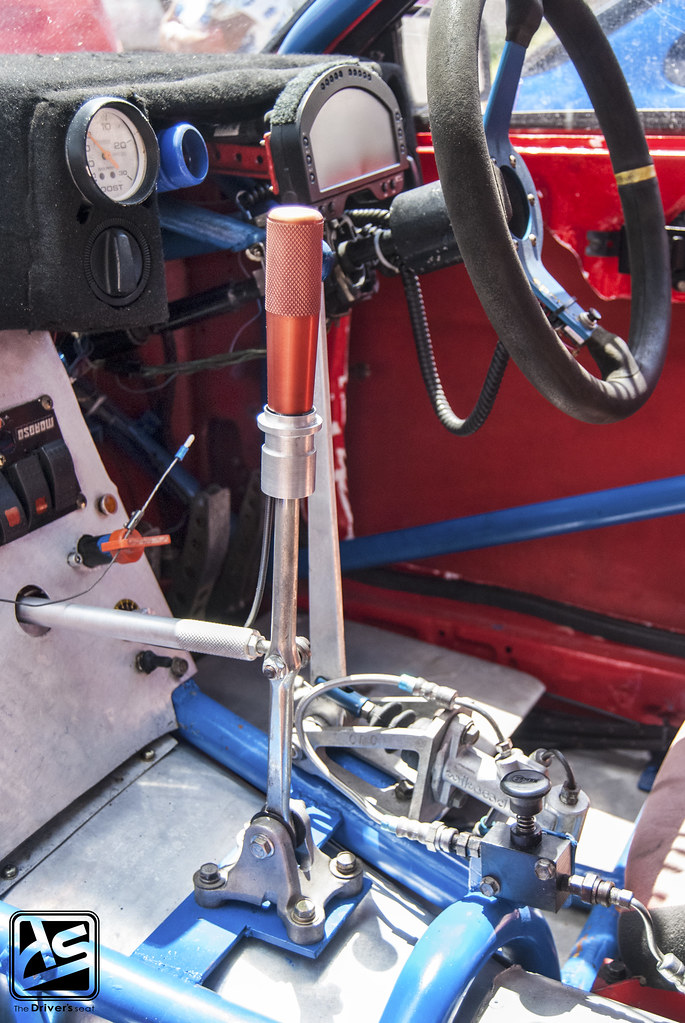
Moving onto the drivetrain, Corey is using a Saenz TT3 sequential gearbox. Placed next to the shifter you will find a hydraulic handbrake plumbed to the Wilwood calipers at the rear…
Also installed on this build is a Accusump oil accumulator which you guys would have seen being used in several builds on the site.
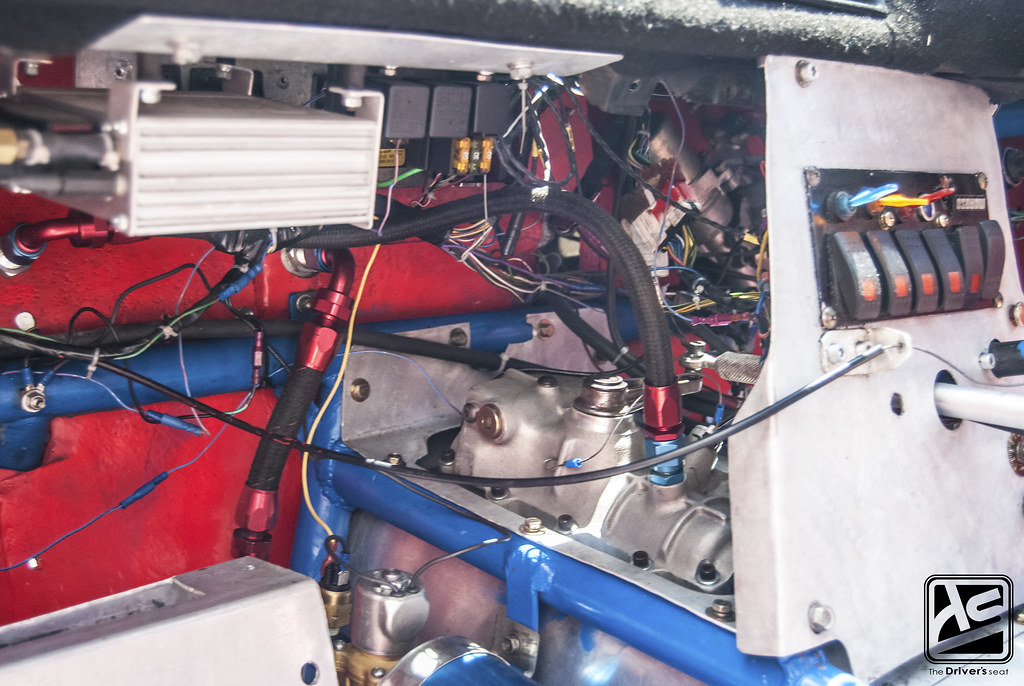
The brain responsible for this build is a Autronic SM4 ECU which has been installed and tuned by Dennis Heath.
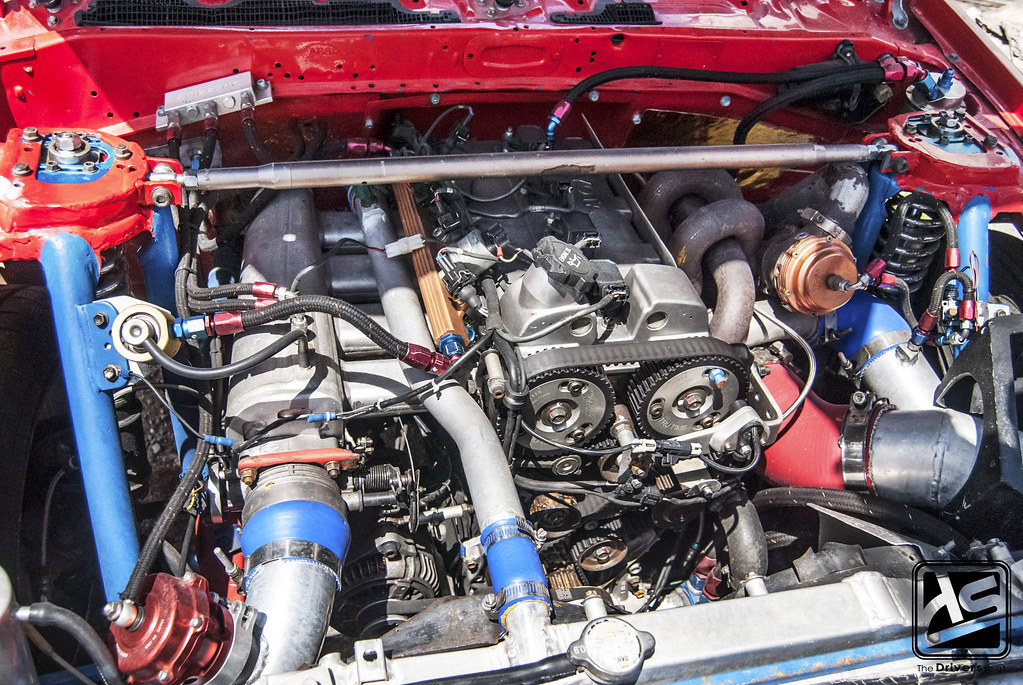
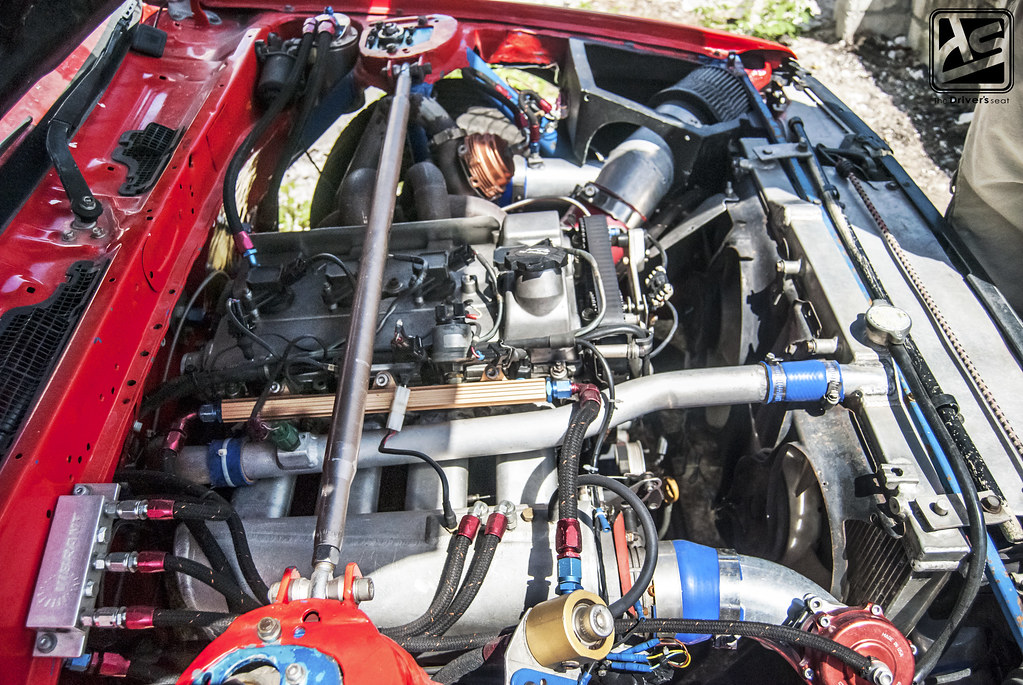
Under the hood there is a fully built 3S motor assembled by Stanford Industries. This is a combination of a Beams sump and oil pump fitted to a 3S-GTE. Here is a quick list of the setup:
Head:-
ARP head bolts
HKS 272 cams
Port and polished head done by Big Dale
Bottom end:
JE Pistons
Manley Rods
ARP Bolts throughout
Bottom end built by Robert
Corey was able to get in a dyno session but ran into some difficulties where the HKS blowoff valve failed and only managed to make a successful pull at 14psi which yielded 325whp. On race day however, the car is tuned to race at 28psi.
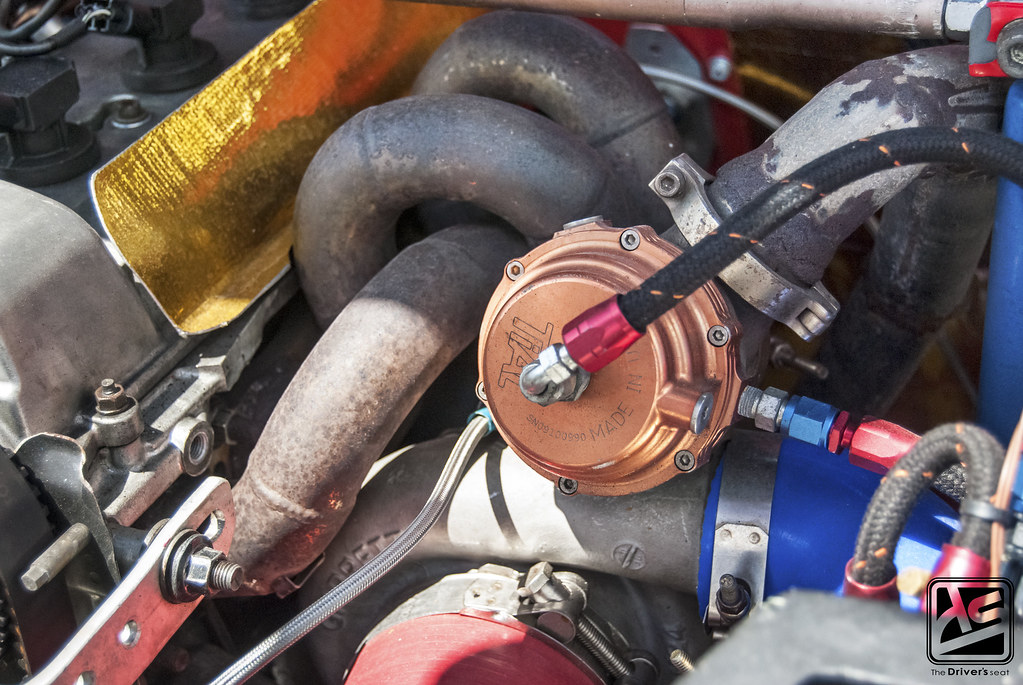
Mated to the motor you will find a Garrett GT35 turbo bolted to a custom made manifold with a Tial wastegate…
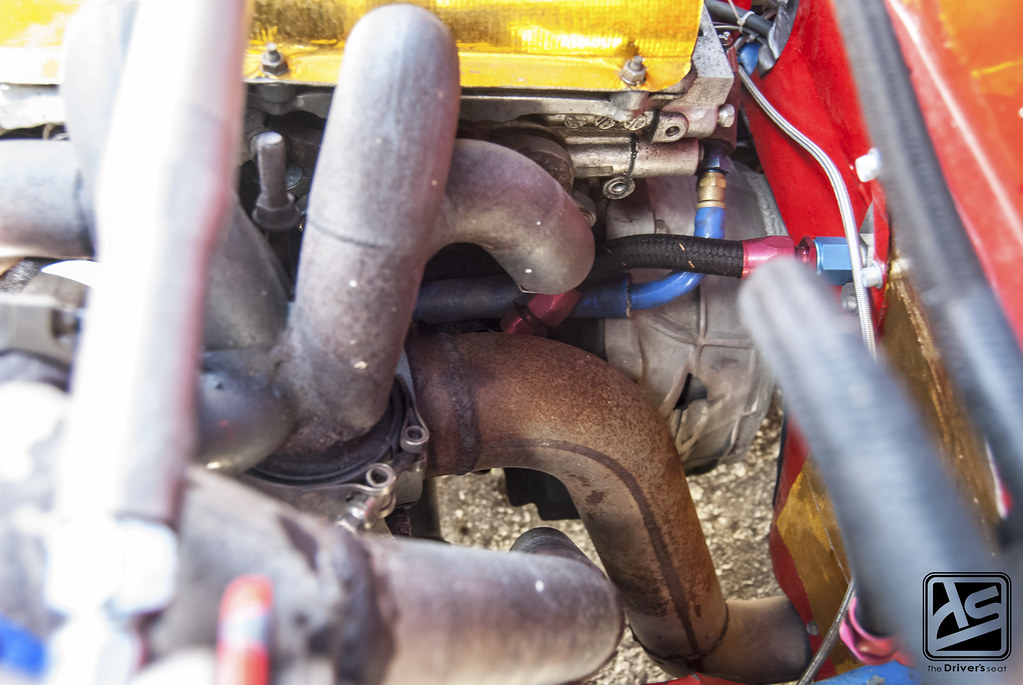
Exhaust gasses flow through a 3″side exit exhuast…
As impressive as this all seems, Corey has some future plans for the car which is the main reason for this post. For starters Corey went out and bought another shell…
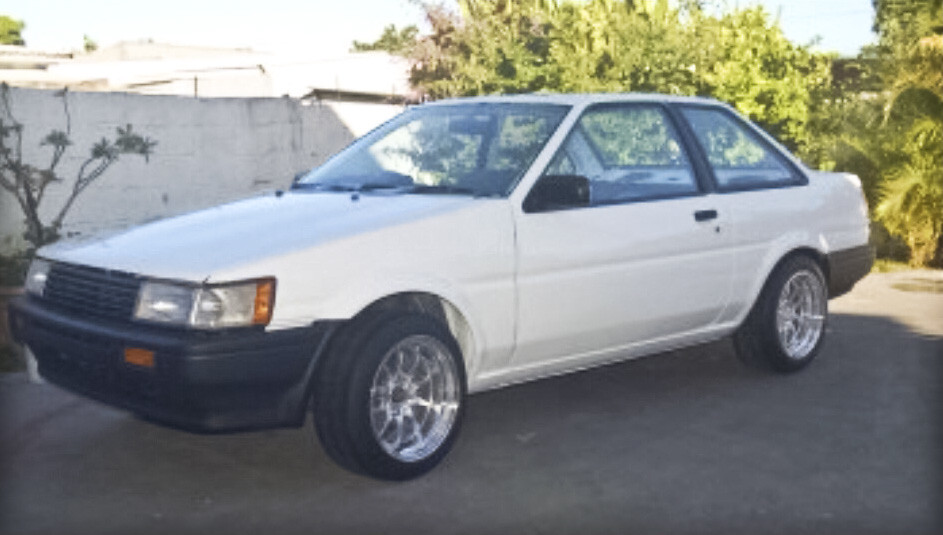
A photo from the for sale post on Facebook…
The plan from here forward is to transfer most of what is on the current AE86 onto this new shell but not before making a few, slight modifications…
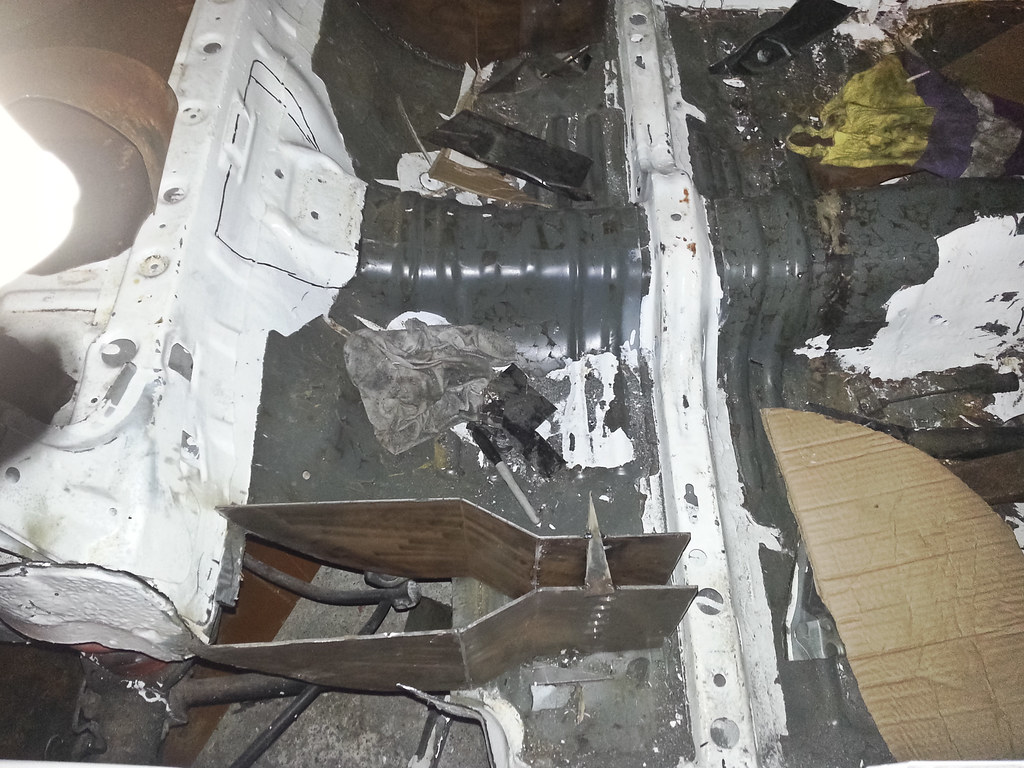
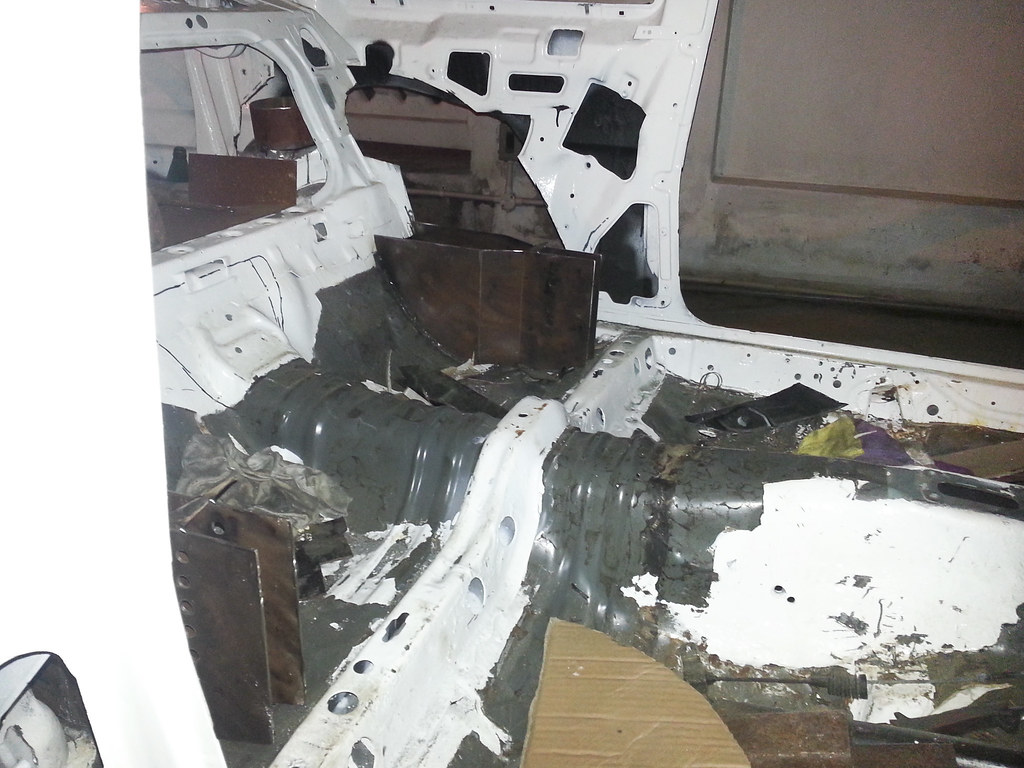
With a plan in mind, Corey wasted no time and began cutting and fabricating immediately….
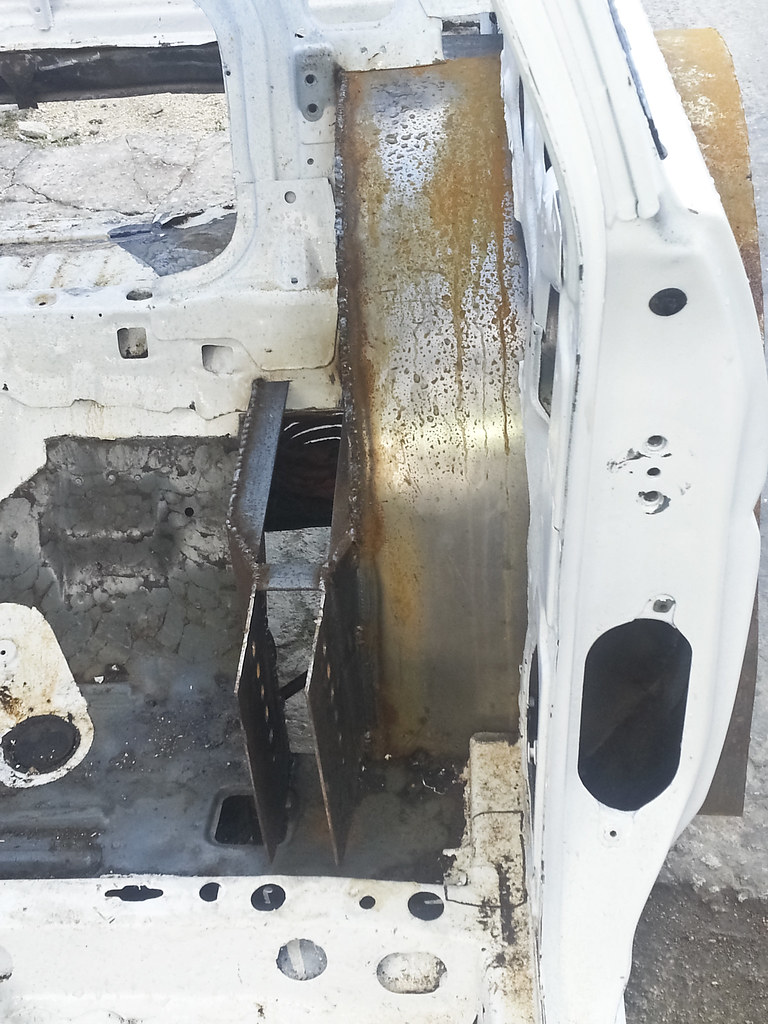
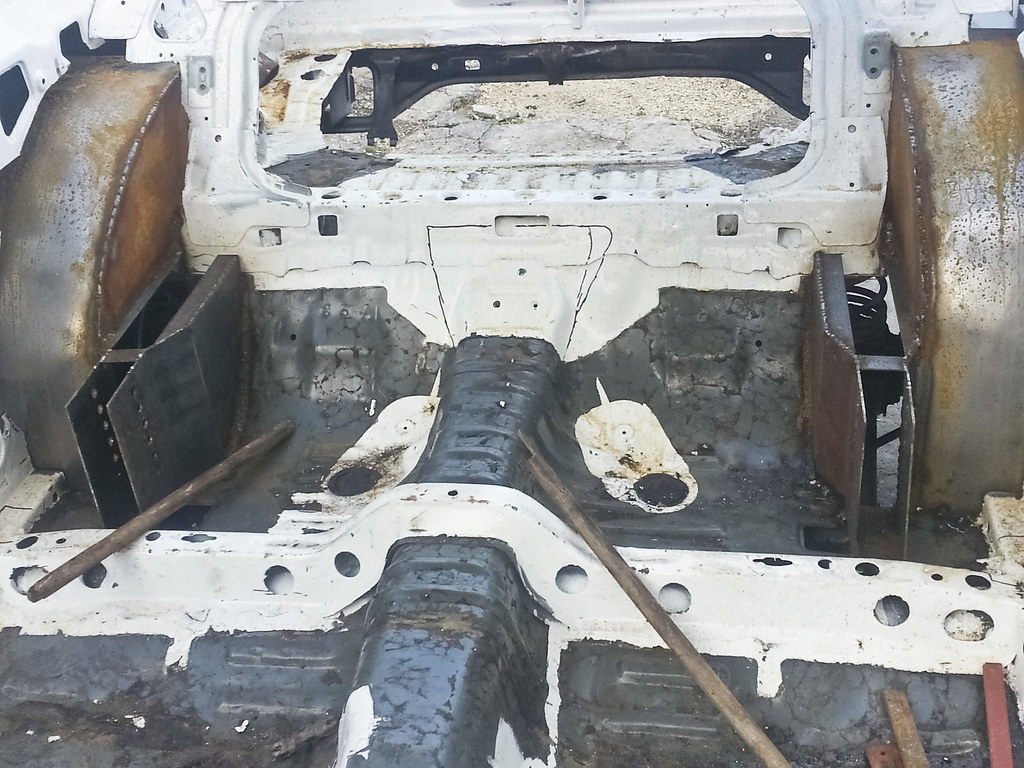
With the main focus of this build headed in the direction of a drag car, the rear needed to be tubbed to accommodate the desired tire choice…
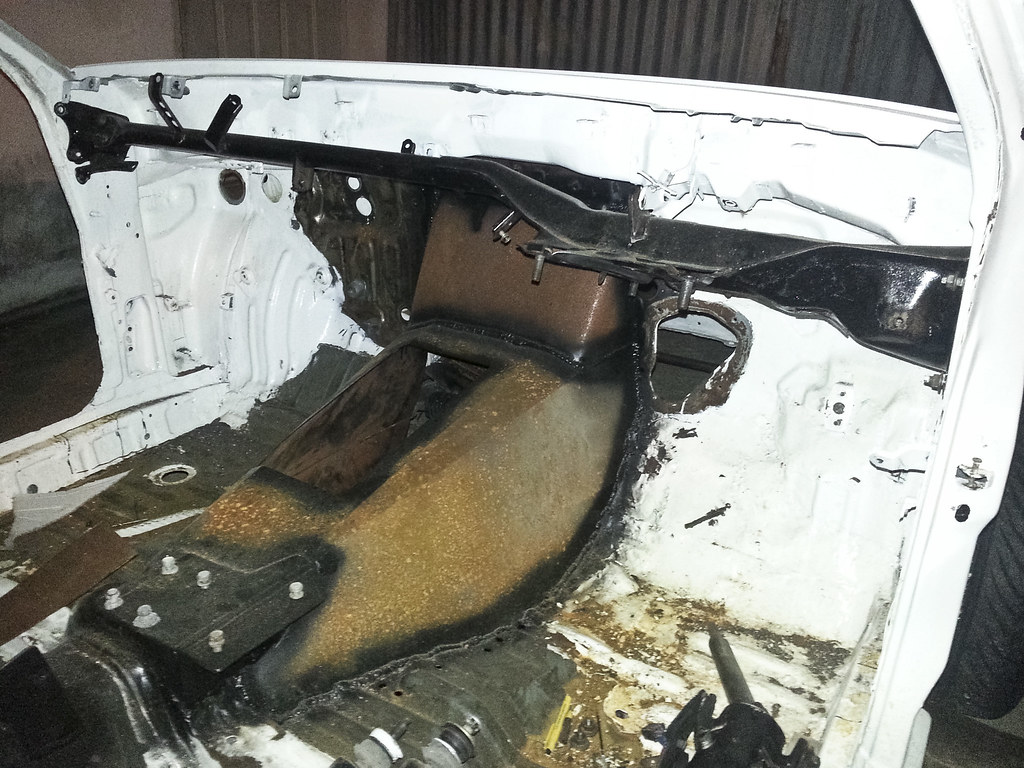
Similar to the other shell, the tunnel needed to be fabricated in order for the motor and gearbox to fit…
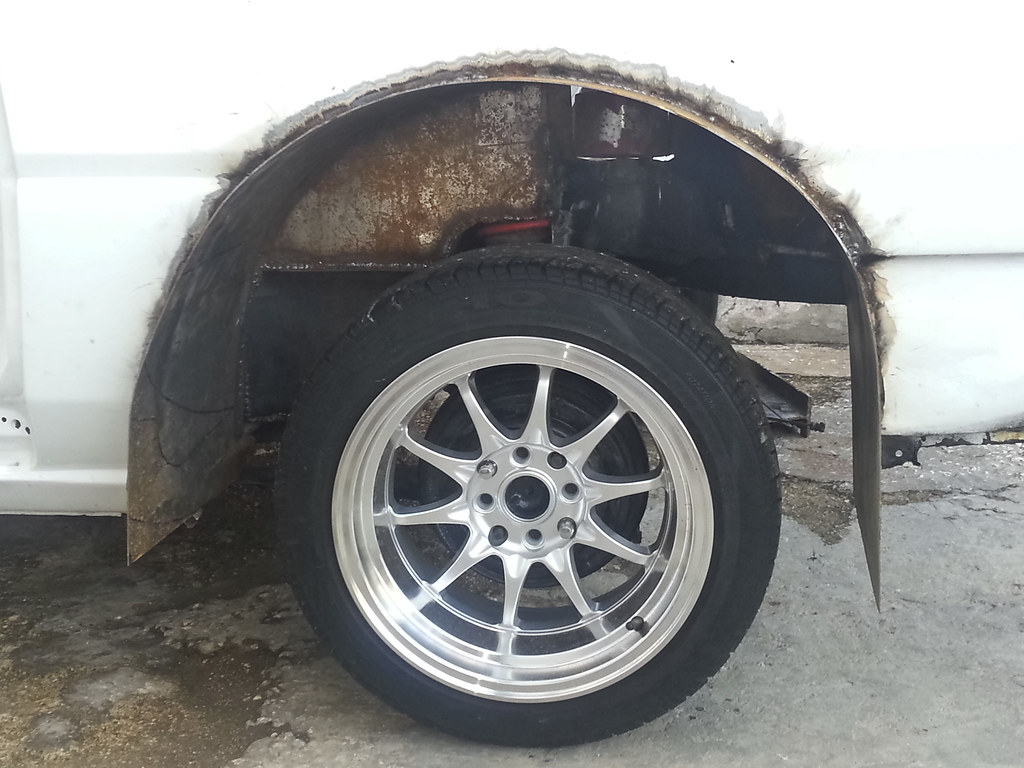
A look at the redesigned rear wheel wells, designed to accommodate 15×10″ wheels with a 26″ tire…
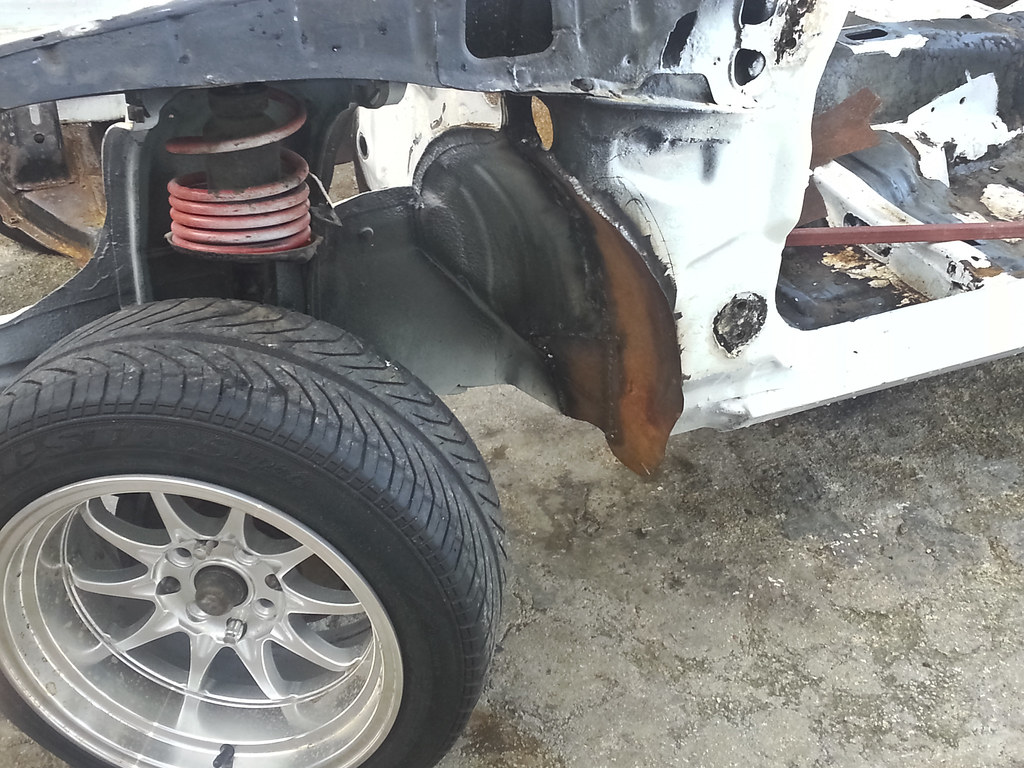
At the same time the front wheel wells were also redesigned…
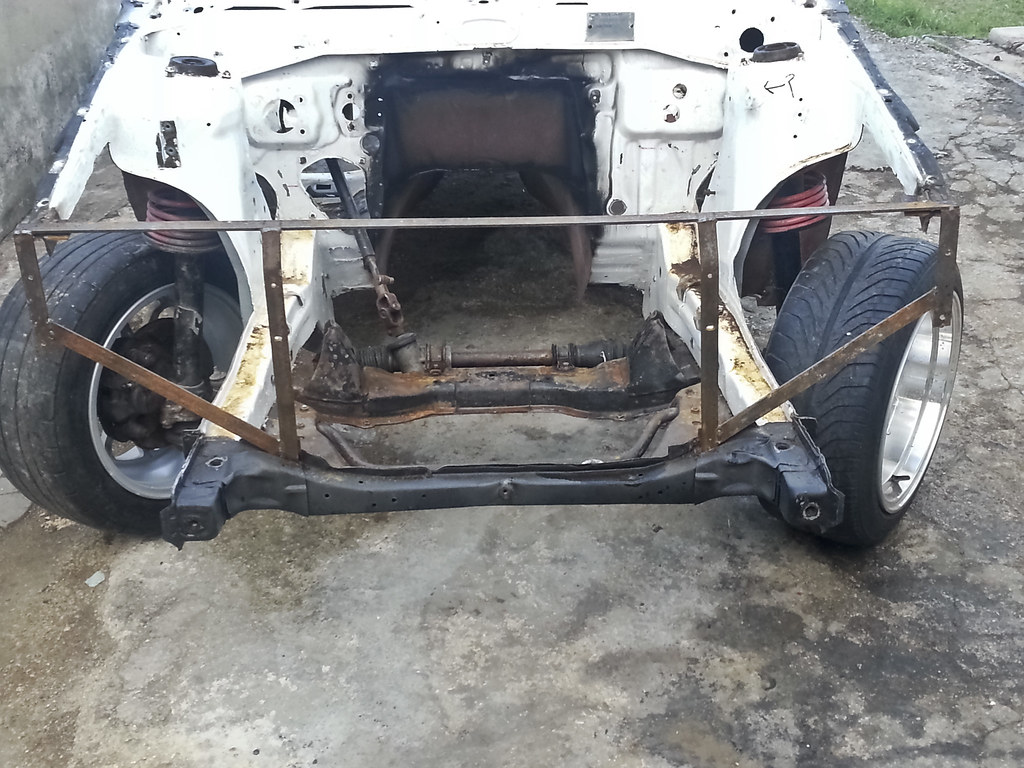
The radiator panel and a portion of the wheel well was removed for easier access when working on the car.
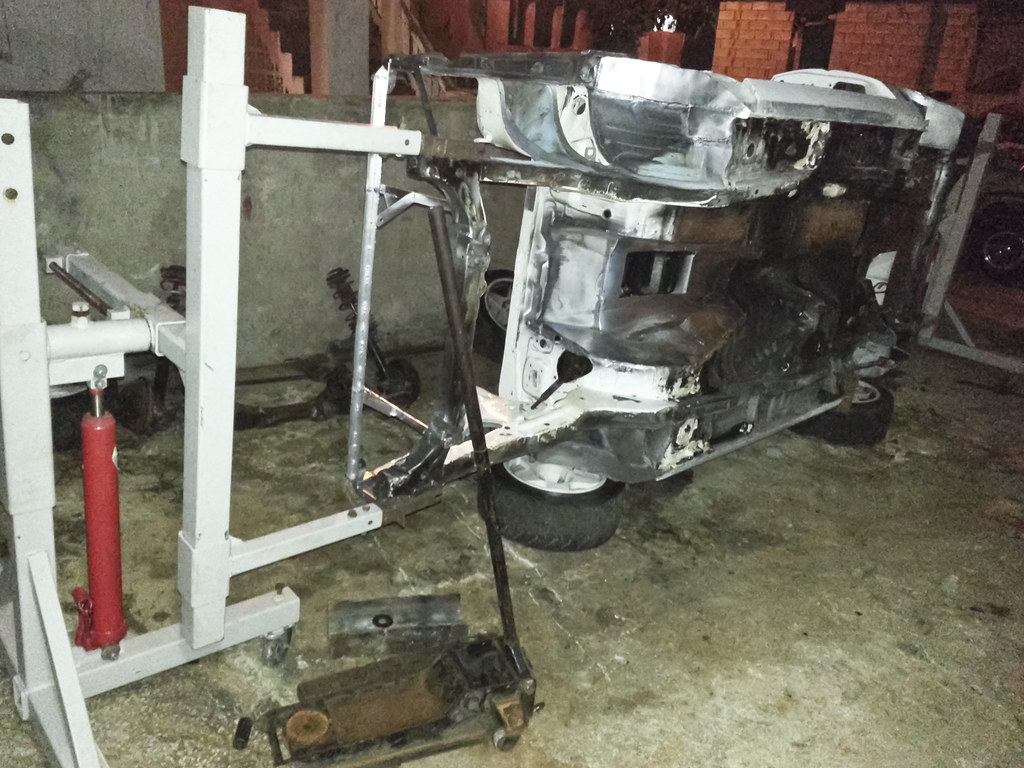
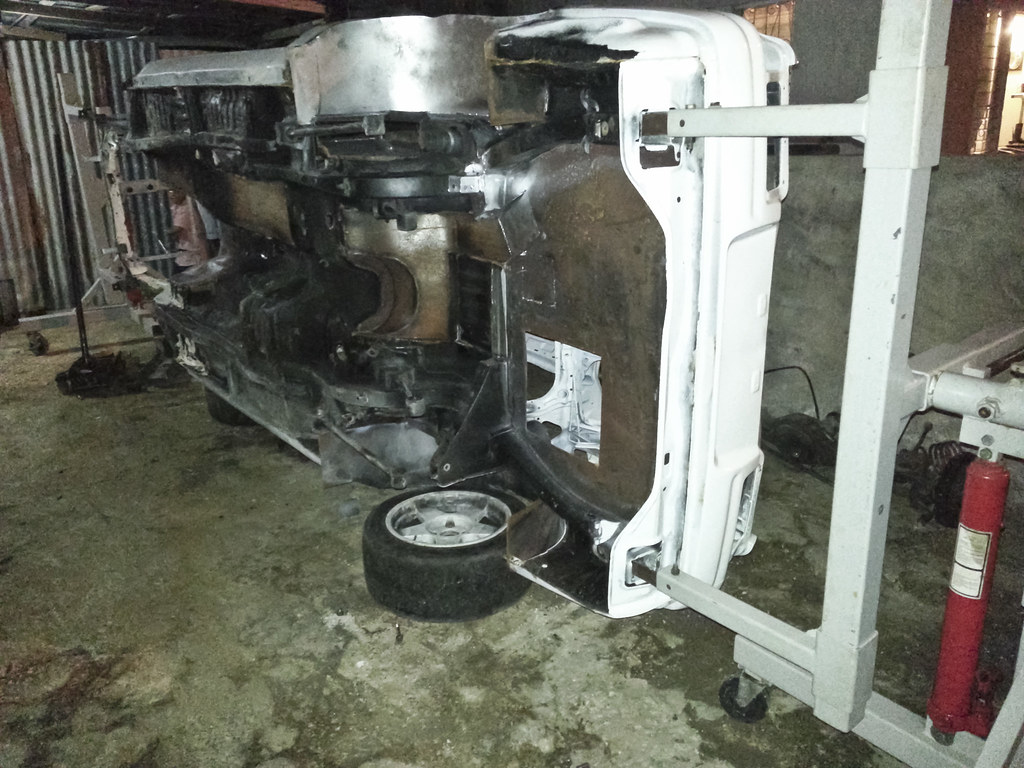
How the car sat on the rotisserie awaiting the next phase of changes to be made.
That brings us to the end of a first look at Corey’s new build. Thanks for taking a look and be on the lookout for more to come.
A Rare JDM Legend
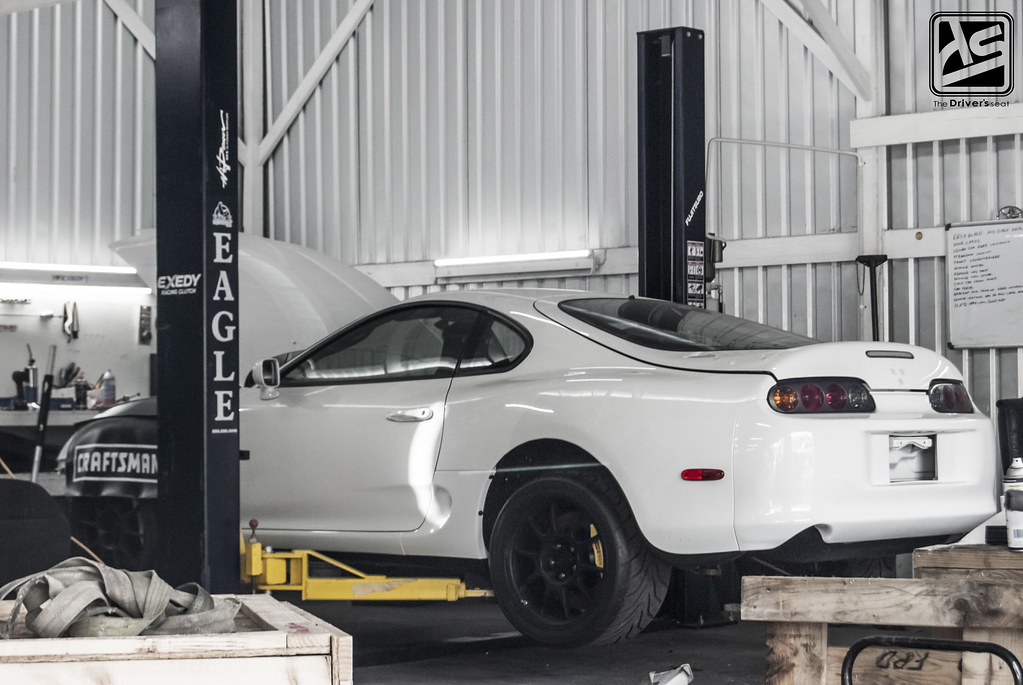
I recently received a call from Scott to let me know that when I was ready I could stop by to take some photos; I immediately made the necessary arrangements to do so. Right then and there I automatically assumed it was pertaining to the Supra. Upon arrival, I saw the Supra on the hoist and I was of the impression work was being done and this would be a great opportunity to get some photos while they worked. However, to my surprise that wasn’t the case…
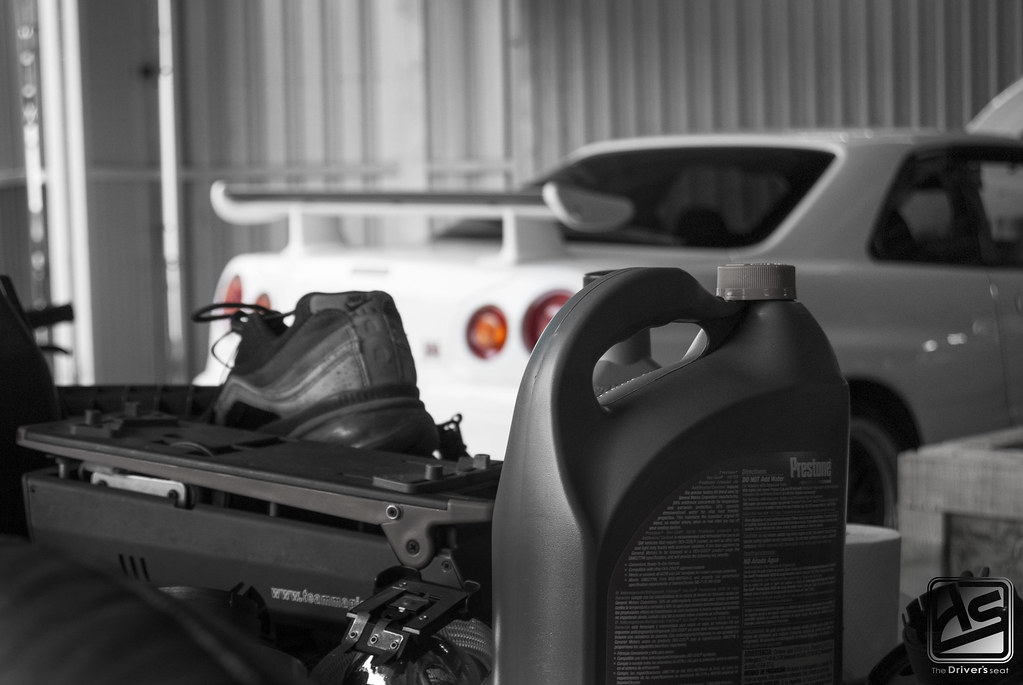
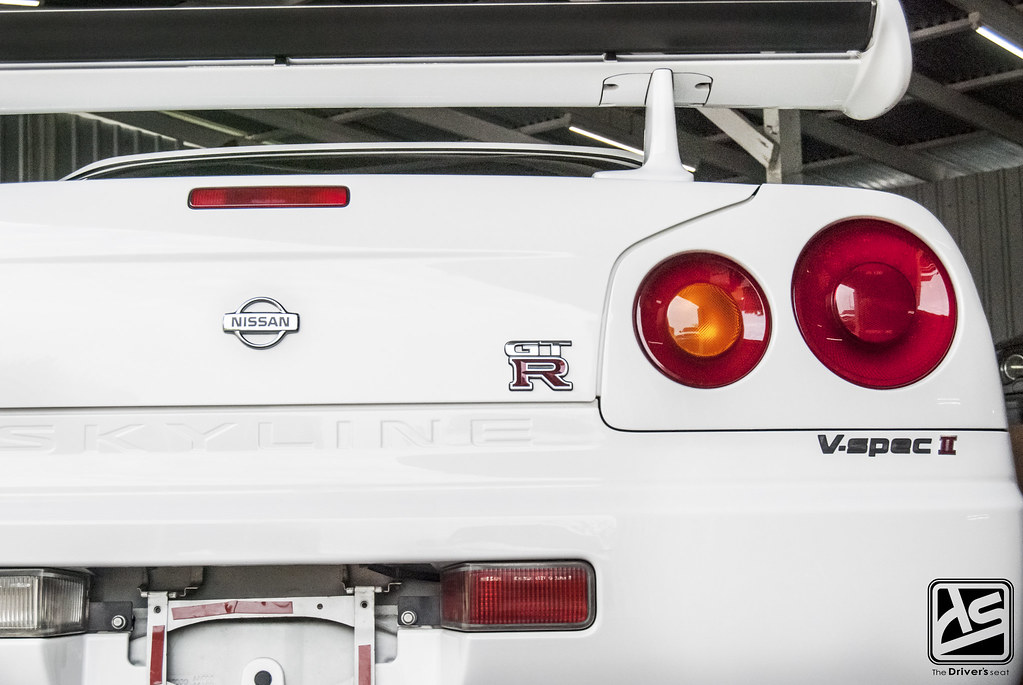
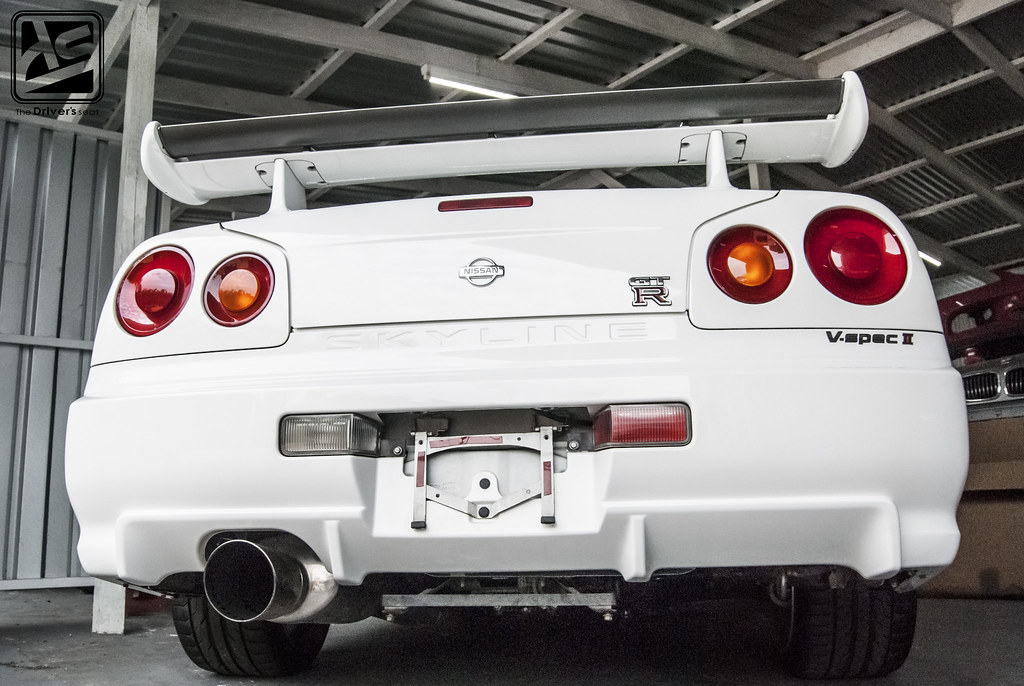
As I made my way closer to the garage, I was greeted with a set of very distinctive taillights…
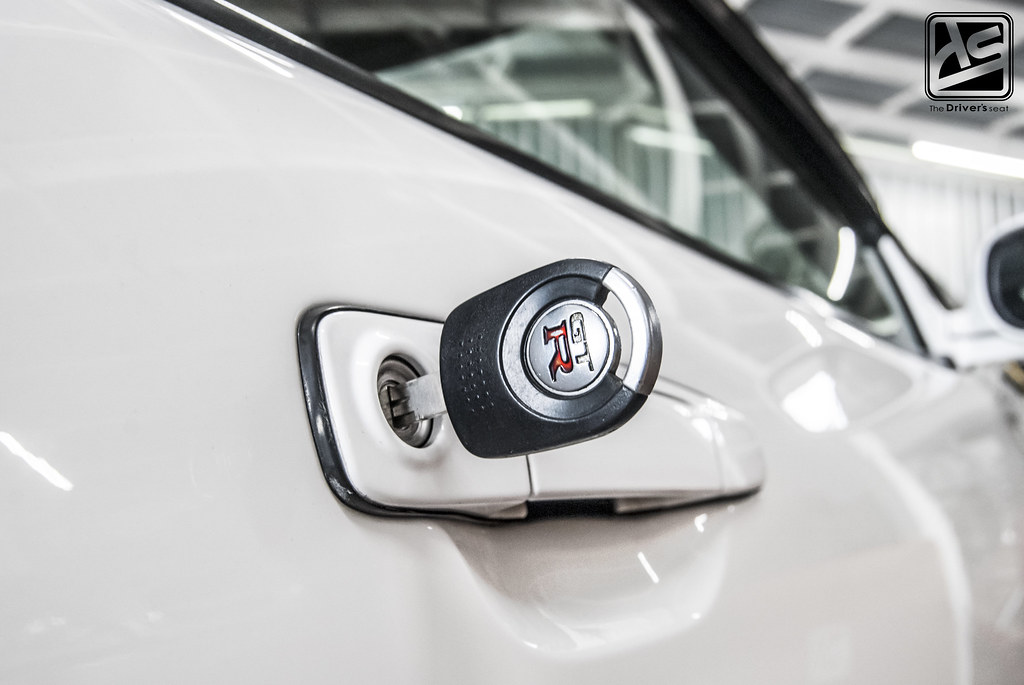
I drew closer for good measure, in case I might have been mistaken…
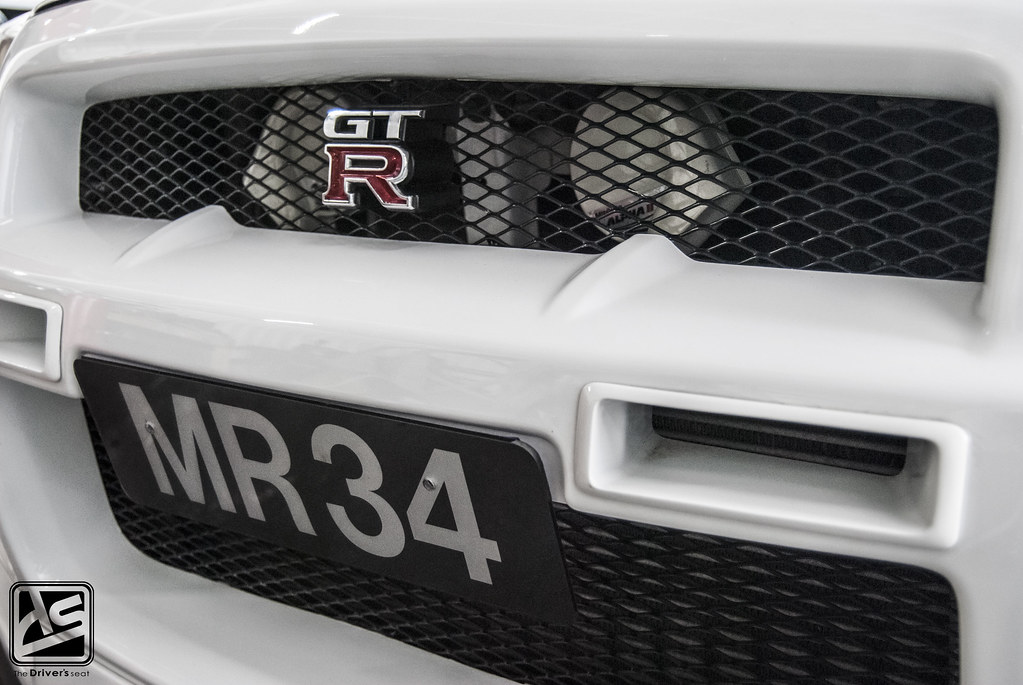
I then made my way to the front end where the license plate further confirmed my discovery…
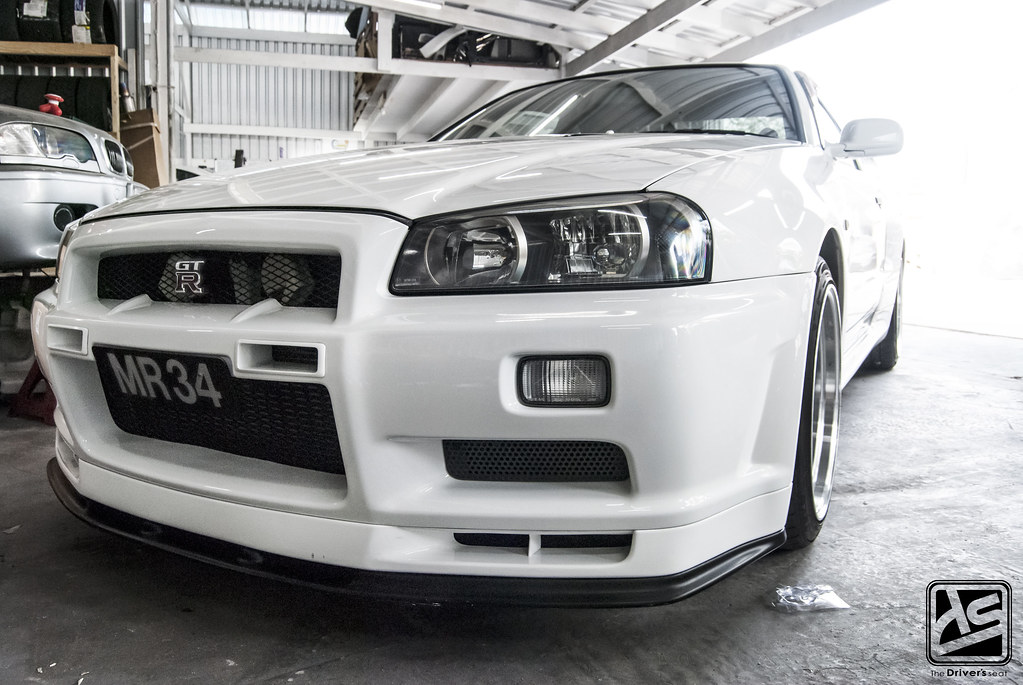
I was in the presence of one of Japan’s most iconic cars, well in this case, two of the most iconic cars, because just a few feet away was the Supra. I was literally at a complete lost for words being in the presence of what many refer to as Godzilla. The Nissan Skyline BNR34 GT-R, but this isn’t just any R34 either, this is a V-spec II which was one of the last mass produced variations made by Nissan before the production ended.

Up close and personal…
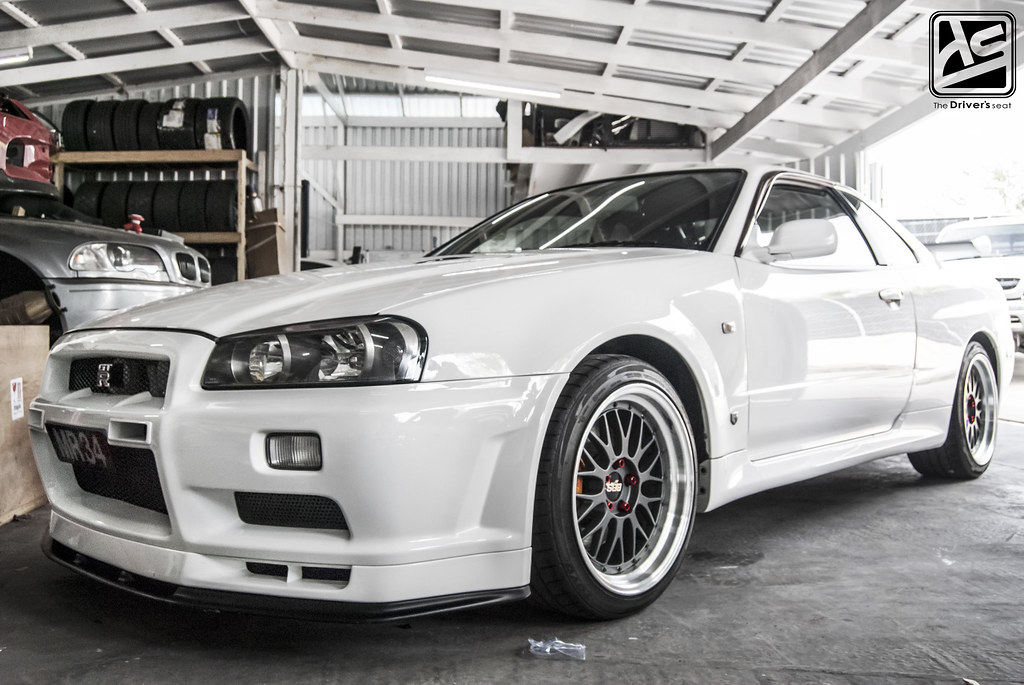
For quite some time Sol longed to own a R34, however similar to the Supra finding a clean, unmolested one at a reasonable price was quite a challenge. Somehow Sol was lucky enough to get his hands on not only a R34 GT-R, but one that is in pristine condition, inside and out. To cap it off Sol is now the second owner and the car has done very little mileage, with the odometer reading just over 19,000km.
With the addition of the GT-R, he said that this was the last and final piece needed to complete his garage. But knowing him, this may very well be subject to change.
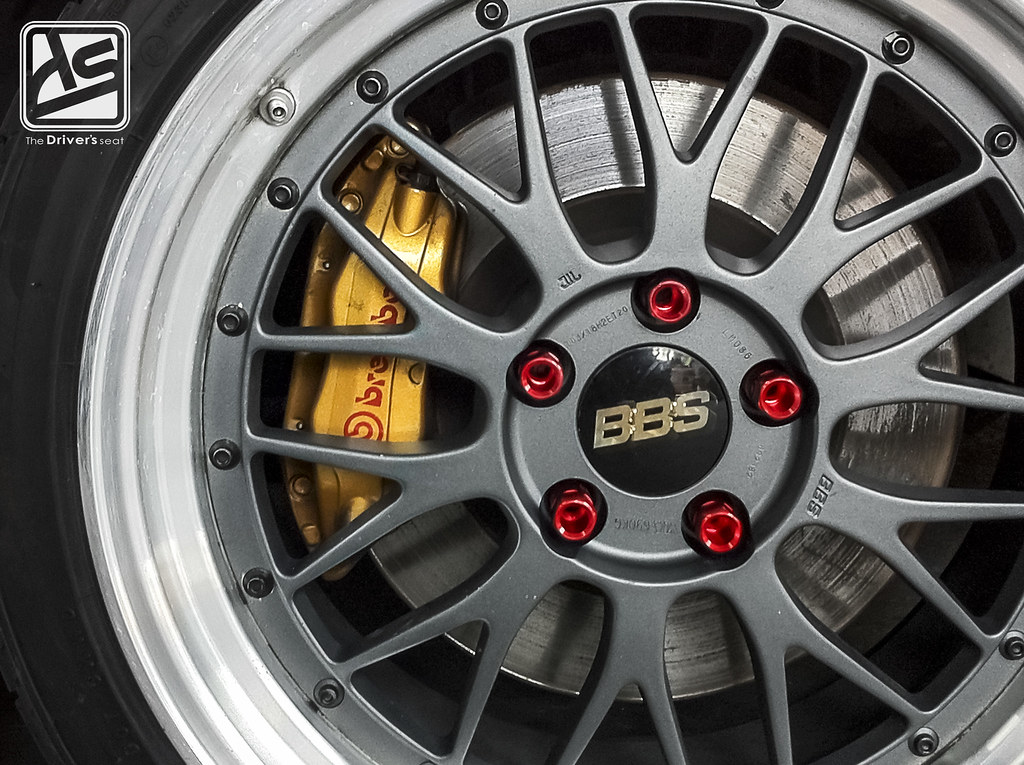
A set of BBS Wheels measuring 18 x 10 wrapped in 265/45 Toyo rubber are bolted to each corner under the massive fender arches to provide a decent contact patch with the tarmac. Similar to the Supra, the R34 came with aftermarket suspension, but in the form of HKS Hipermaxx coilovers.
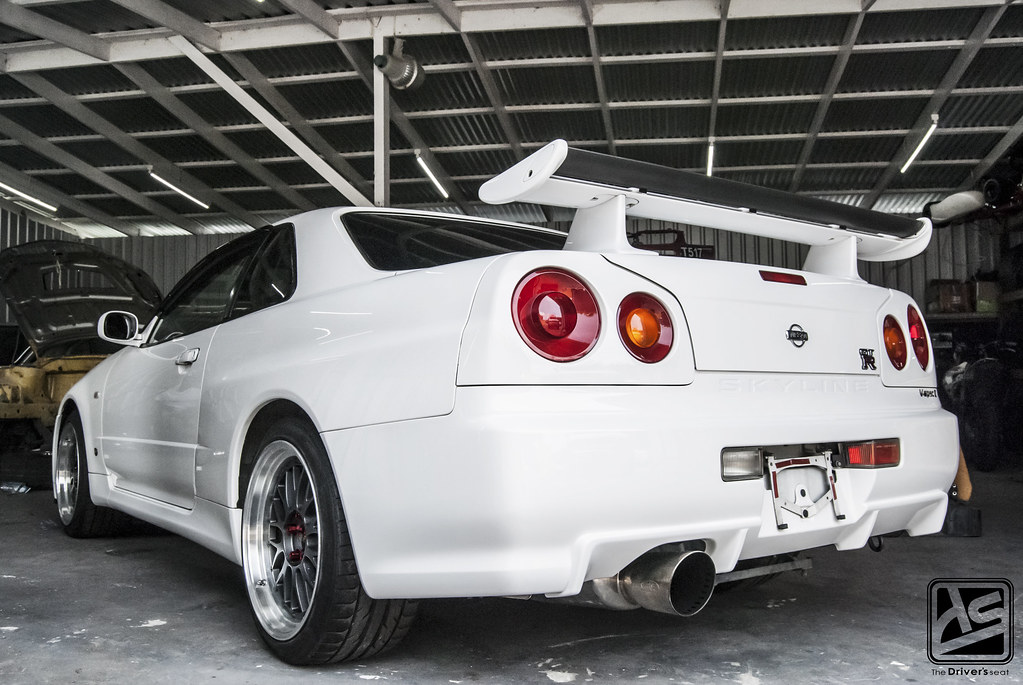
Apart from the prestige and absolute bliss of owning the only Skyline R34 GT-R on the island, Sol chose to own the R34 V-spec II because in his eyes, it is the last GT-R made that is still a driver’s car. It has a more mechanical feel to it compared to its successor the Nissan GT-R. Changing gears, breaking traction, power-sliding and tossing around a car, are all things Sol immensely enjoy doing from time to time.
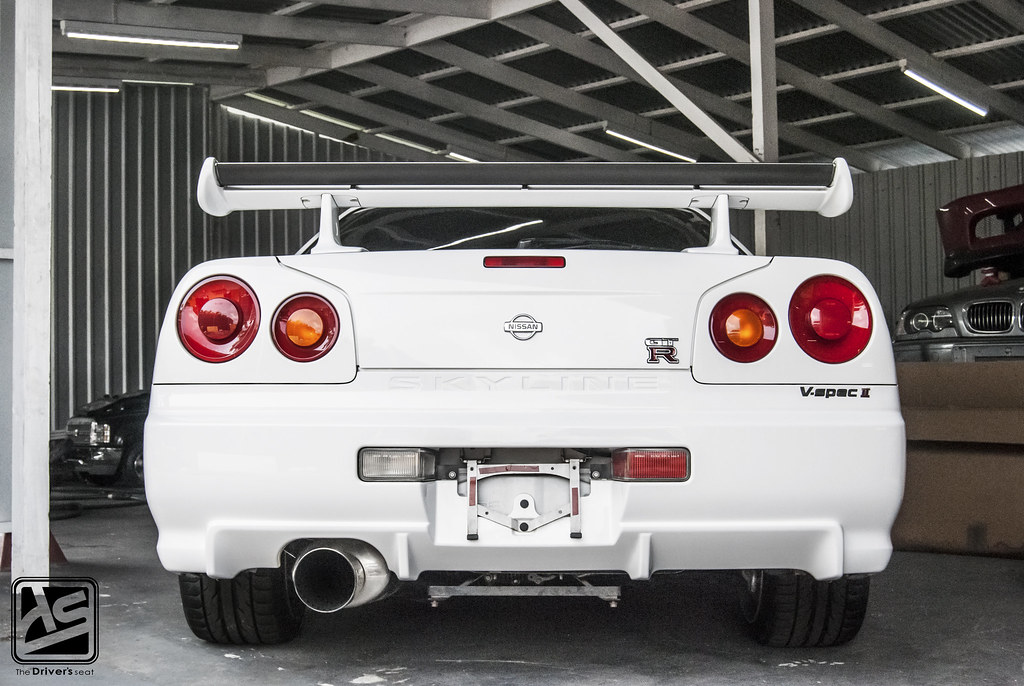
Missing in these photos is the rear carbon fibre air diffuser designed to keep air flowing smoothly under the car. Over time, rust is a common problem associated with the brackets which keep the diffuser in place. Scott removed them to have them cleaned up and powder coated before installing the diffuser.
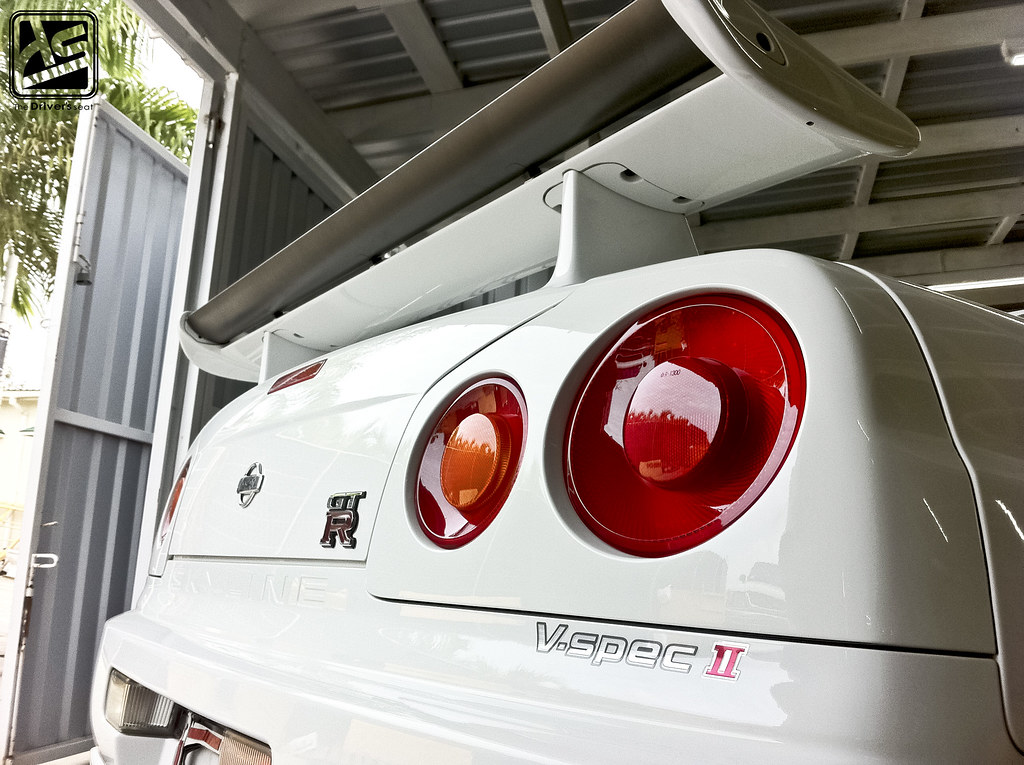
Nissan Skyline GT-R V-spec II…
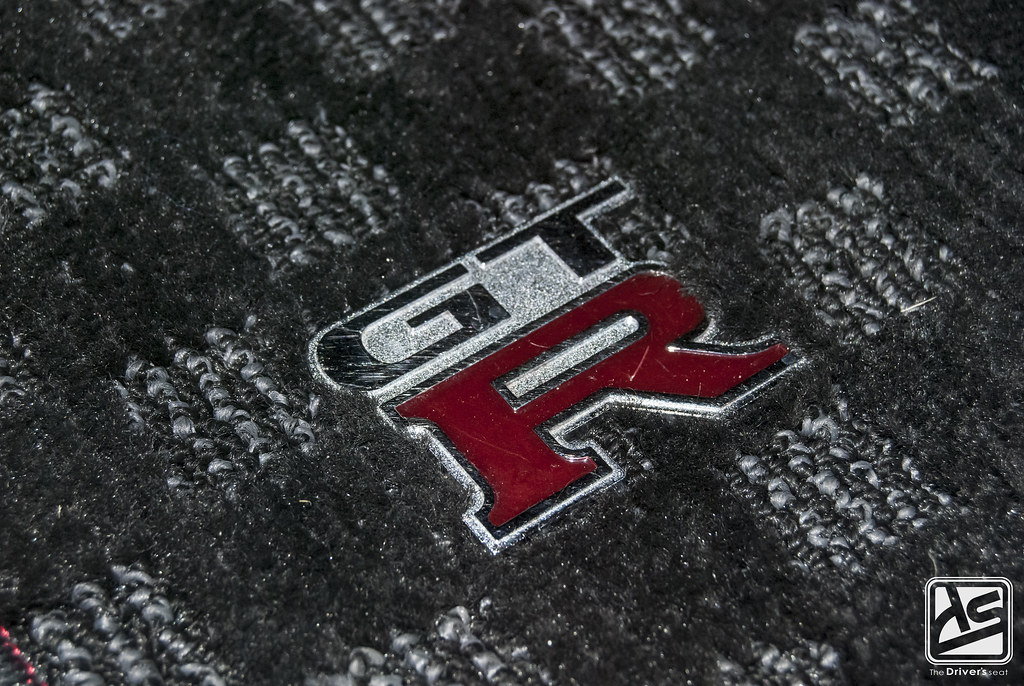
Opening either door you are greeted with GT-R mats…
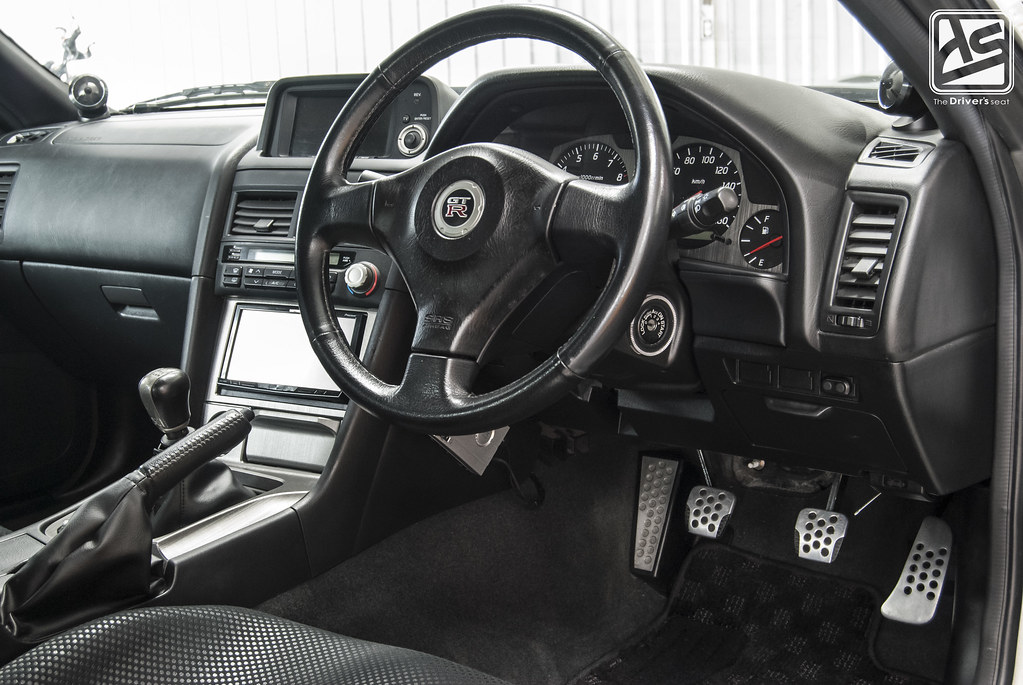
The interior on the V-spec II models featured black upholstered seats which replaced the previous gray ones, and the pedals have been upgraded to aluminum.
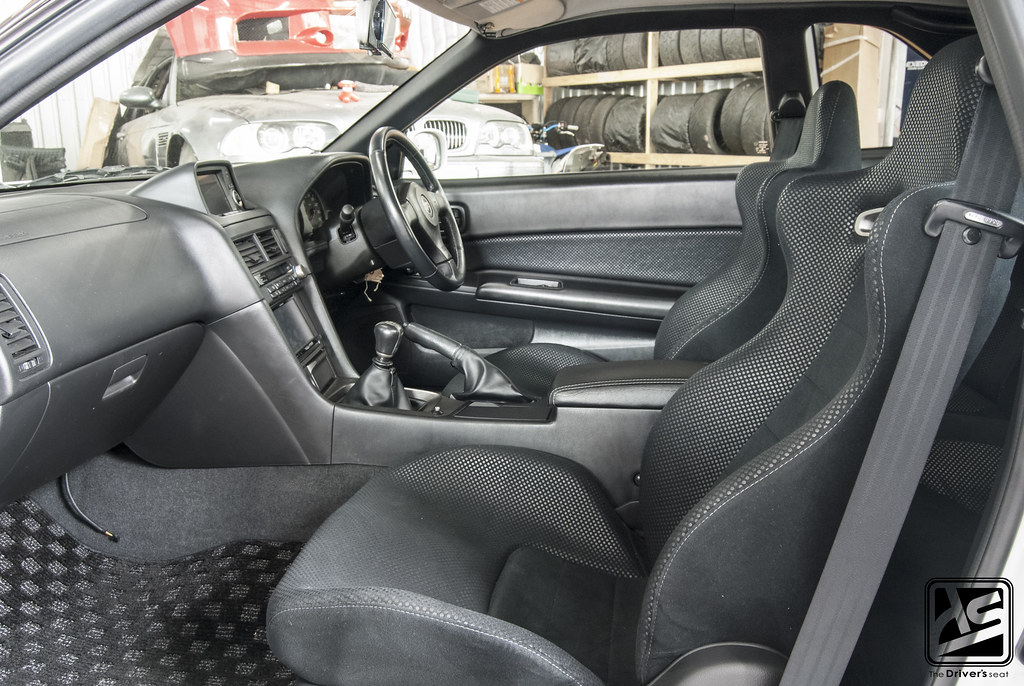
Taking a good look at the interior, you can tell that the previous owner clearly was very meticulous with the upkeep.
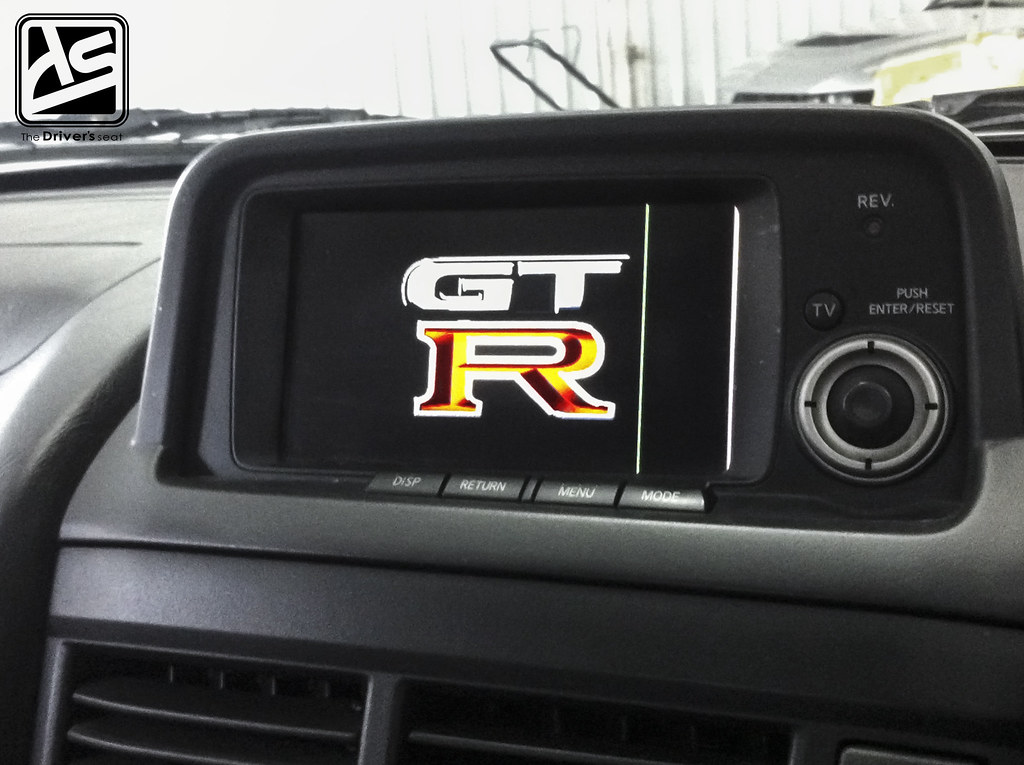
Another note worthy addition to the interior is a LCD multifunction display on the center of the dashboard, which shows seven different live readings of engine and vehicle statistics such as boost pressure, oil and water temperature, among others. Seeing that this is a V-spec model, intake and exhaust gas temperatures are also displayed.
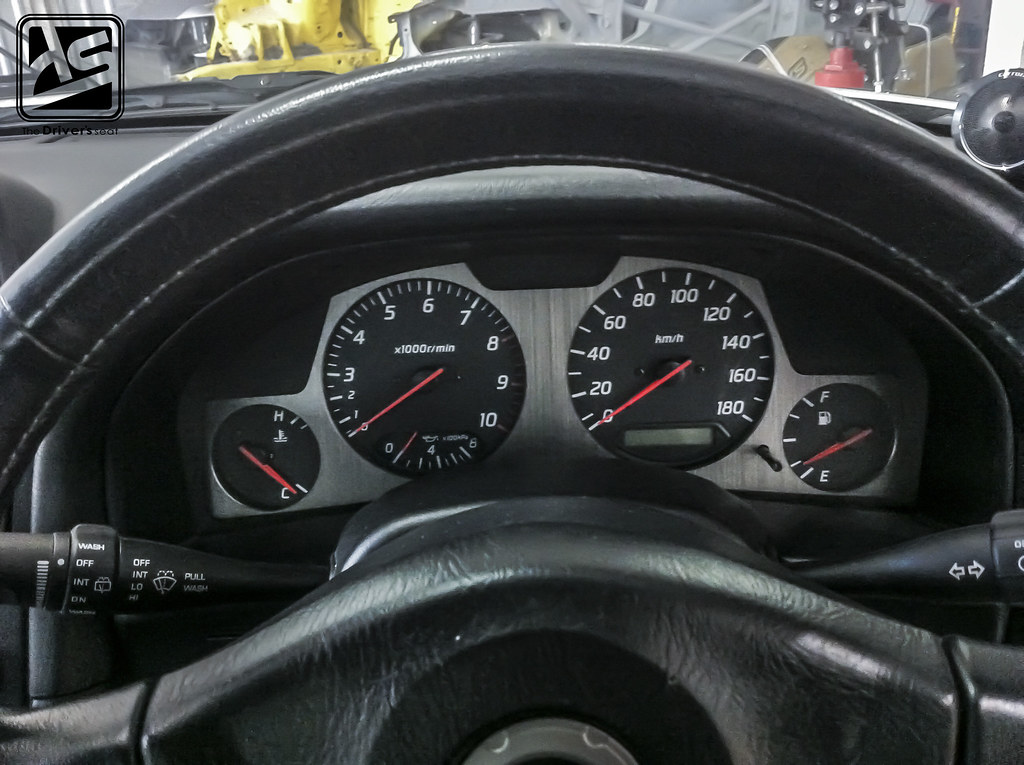
Instrument cluster with a modest 180km/h speedo which limits the car’s performance based on the restrictions that were placed during production.
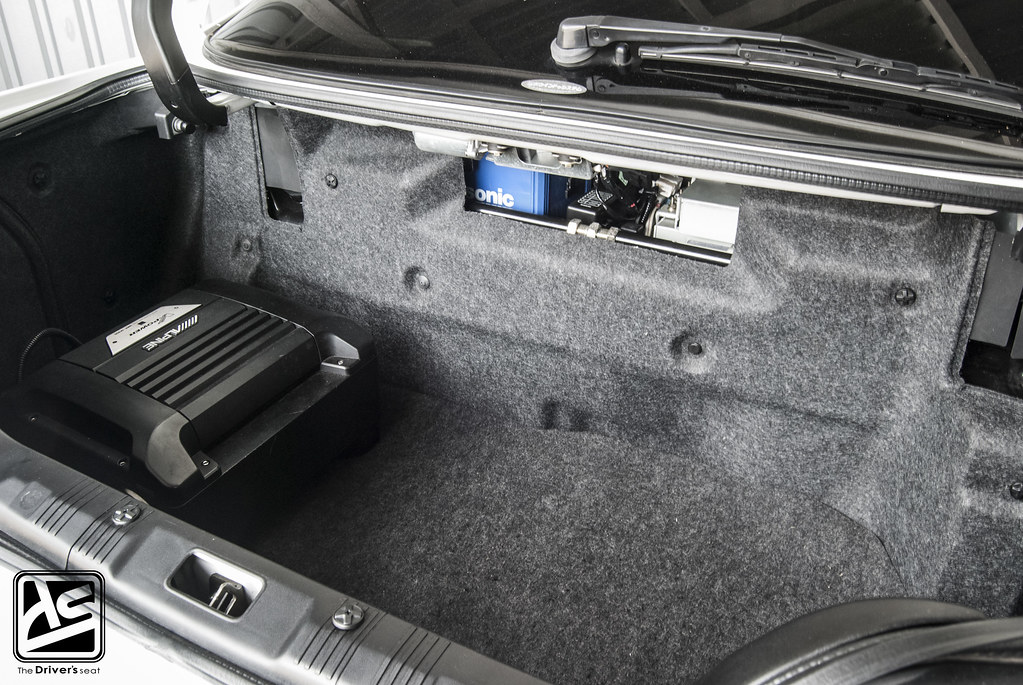
Working our way to the trunk, there was an Alpine amplifier installed, it seems the previous owner was quite the music fan. In addition, the trunk is also where the battery, the ATTESA E-TS Pro, the Super HICAS 4WD steering and a few other ECUs reside. The V-spec II features a special ATTESA E-TS Pro system which differs from the standard ATTESA E-TS in a few ways. The ATTESA E-TS controls the front to rear torque-split, the Pro system is also capable of left-and-right torque split to the rear wheels. This is done via an active rear LSD, a special feature found on the R34 GT-R V-spec II models. Whereas the normal GT-R’s are equipped with a conventional mechanical differntial.
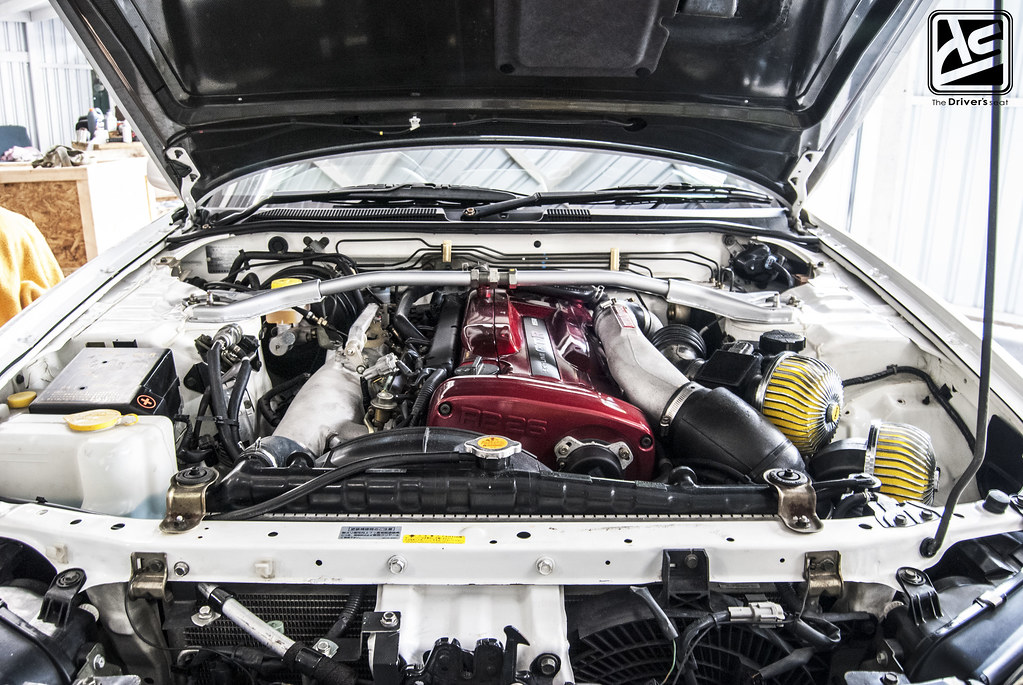
Upon opening the hood, immediately you notice the weight saved by the use of carbon fibre, yet another feature reserved for the V-spec II models.
The intake of the RB26DETT varies from other RB-series motors in that it has six individual throttle bodies instead of a single throttle body. In addition, the engine uses a parallel twin-turbo system, using a pair of T28-type ceramic turbochargers. The only upgrade done in the engine bay is the stock intake box was swapped out for two mushroom air filters.
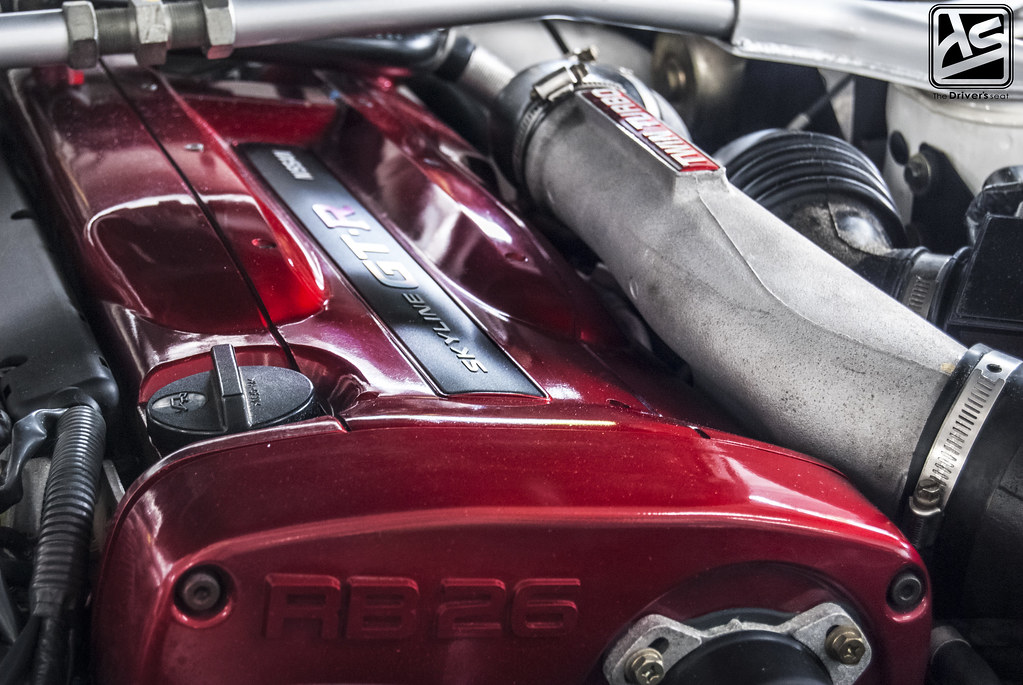
Similar to the 2JZ-GTE, the RB26DETT has a cast iron block which is fully capable of producing good power without swapping out the internals.
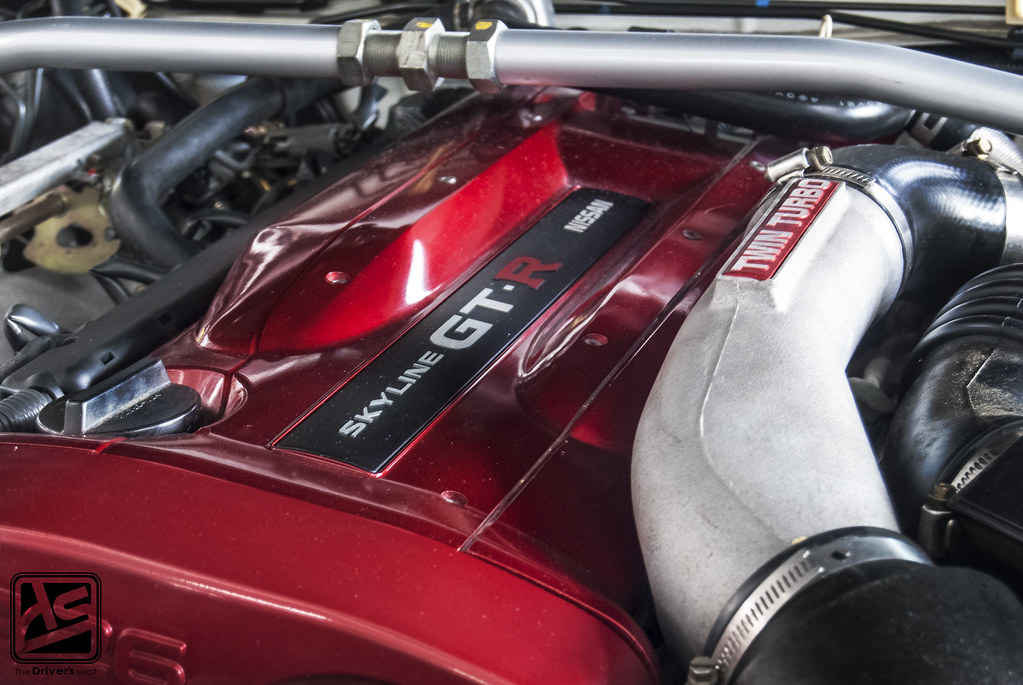
Close up of the Cherry Red Effect valve cover…
That brings us to the end of yet another post featuring one of Japan’s most iconic cars, hopefully the guys can soon pull themselves aways from this beauty and put the finishing touches on the Supra.
I’m going to leave you guys with a short walk around video…
I hope you guys enjoyed this post and thanks for taking a look…
 TDSAutoMag